❮
![]() ❯
❯
“There is a superstition in avoiding superstition”
— Of Superstition, Francis Bacon
Kolam is a traditional visual practice found within Dravida communities such as Tamil, Telugu, Kannadiga, and Malayali. Because some Dravida communities, such as Tamil communities, live outside their native regions, the practice of Kolam extends beyond South India and Sri Lanka to places such as Singapore and Malaysia. Although known as Kolam by Dravidian communities, this visual practice also takes place within North Indian communities practiced as Rangoli. I have taken the practice of Kolam and implemented it as practice of conceptual art by changing the logic and rules behind the creation of the Kolam.
Although Rangoli and Kolam share a lot of common elements, these two practices are also different. Some of the differences between Rangoli and Kolam is that Rangoli is done only on special occasions such as Divali in North India while Kolams are drawn by Tamil communities every day. The Kolams are drawn on the floor in front of thresholds or significant places in the house in the early morning. The Kolams are drawn in order to bring good luck to the household and the family. According to tradition, Kolams are drawn using rice flour so that it is a source of food for ants and other insects throughout the day. The main function of the Kolam functions as a bringer of good luck as the drawing is an invitation to the Goddess Lakshmi, who is the goddess of wealth and good luck, to enter the household and bless the household accordingly. Daily Kolams are simple while on special occasions such as a festival or the birth of a new child the Kolam will be more elaborate. Therefore, just by looking at the Kolam other individuals in the community will know that presently it is not an ordinary day for the household and this can be negative such as a death in the family or positive such as a birth in the family.
Another difference between Rangoli and Kolam is that there is not a significant geometric presence and rules in Rangoli while in Kolams there is a geometric presence and simple rules according to which Kolams are drawn. When creating Kolams, dots are placed on a grid and though lines each dot is encircled where each dot is attributed as one enclosed space. The line is a continuous line which runs around the dots, enclosing each dot and the line returns to its original place. With the line retuning to its original place the line exists as a continuous line. Although it is not a must, most Kolams are drawn symmetrically where symmetry exists on the x-axis, y-axis or exists with radial symmetry. However, symmetry is not a must and there are lots of instances where the symmetry in Kolams does not exist. This kind of geometrical Kolams are known specifically as Sikku Kolams where the word Sikku means ‘Knot’ in Tamil.
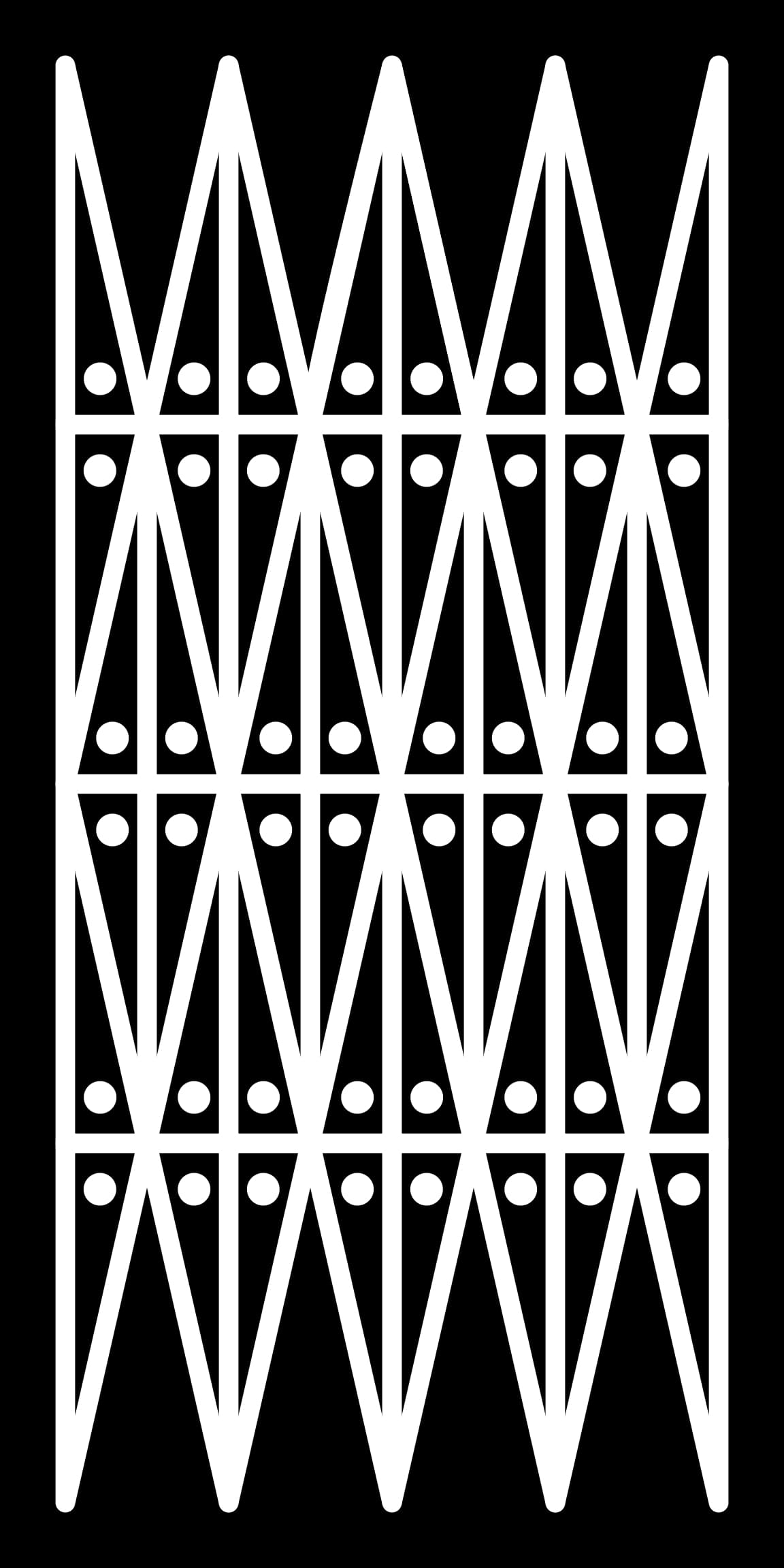
Through analysis and experimentation the first new type of Kolam I developed was named Satura Kolam. This new type of Kolam is developed specifically from the traditional Sikku Kolam. Some basic Sikku Kolams made by myself are as follows:
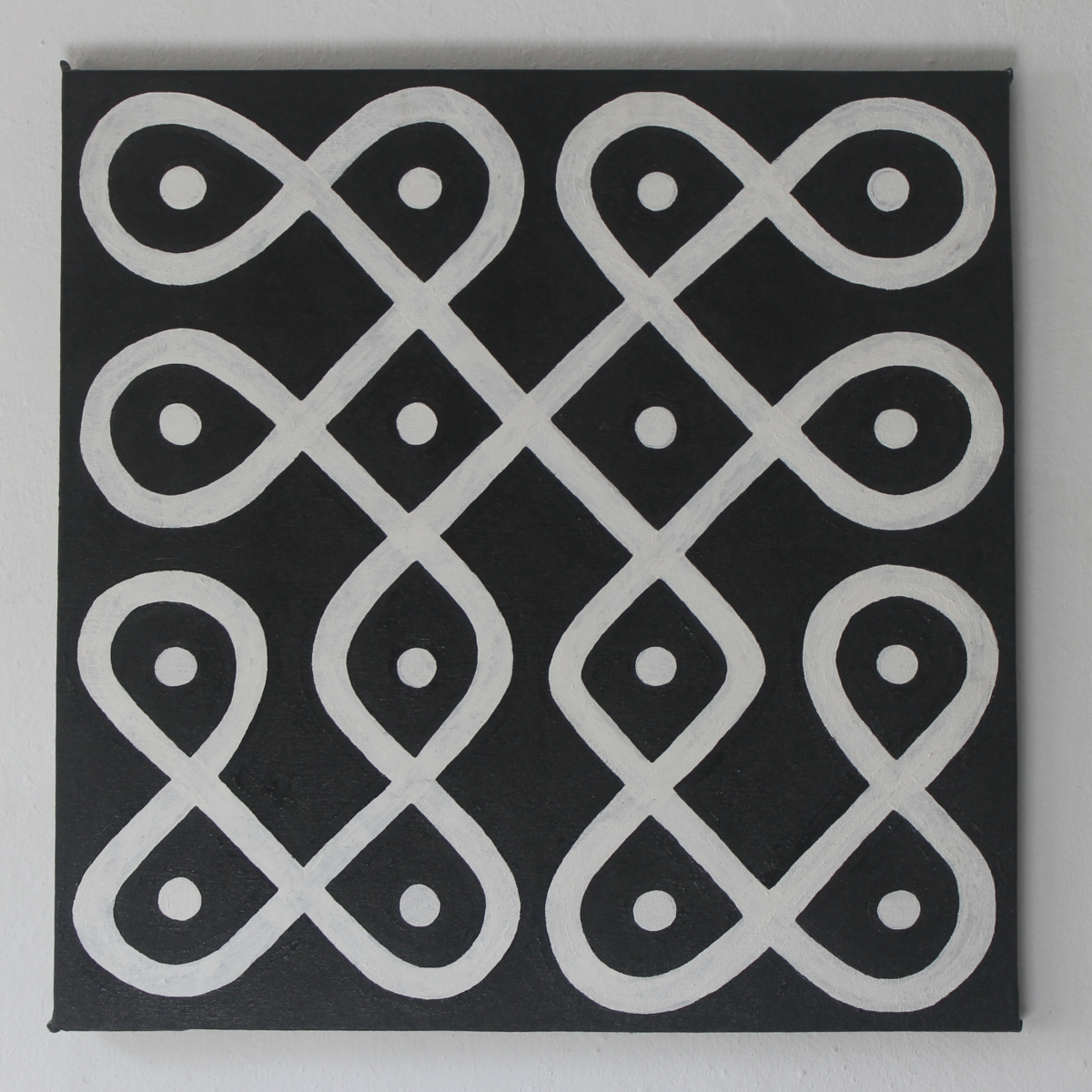
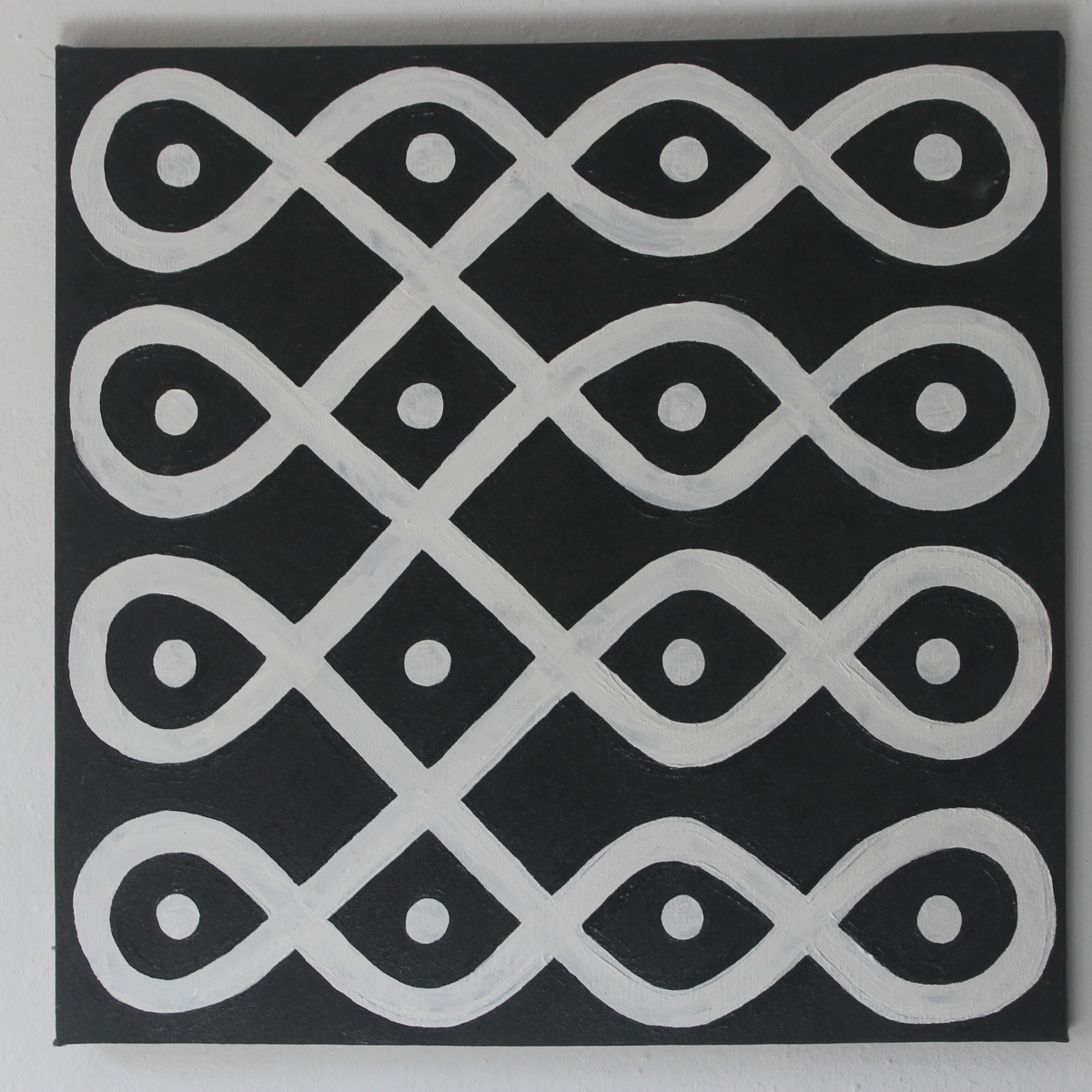
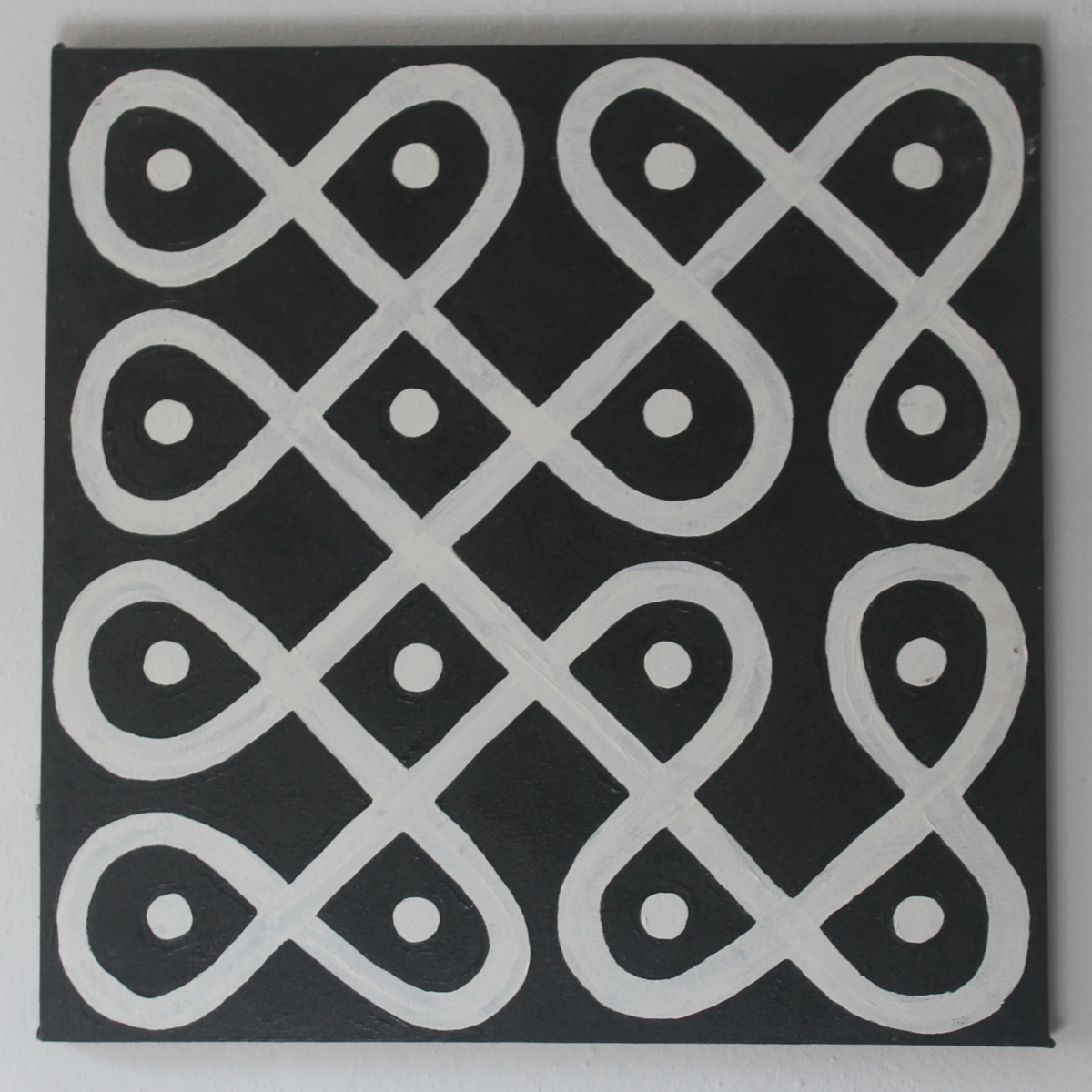
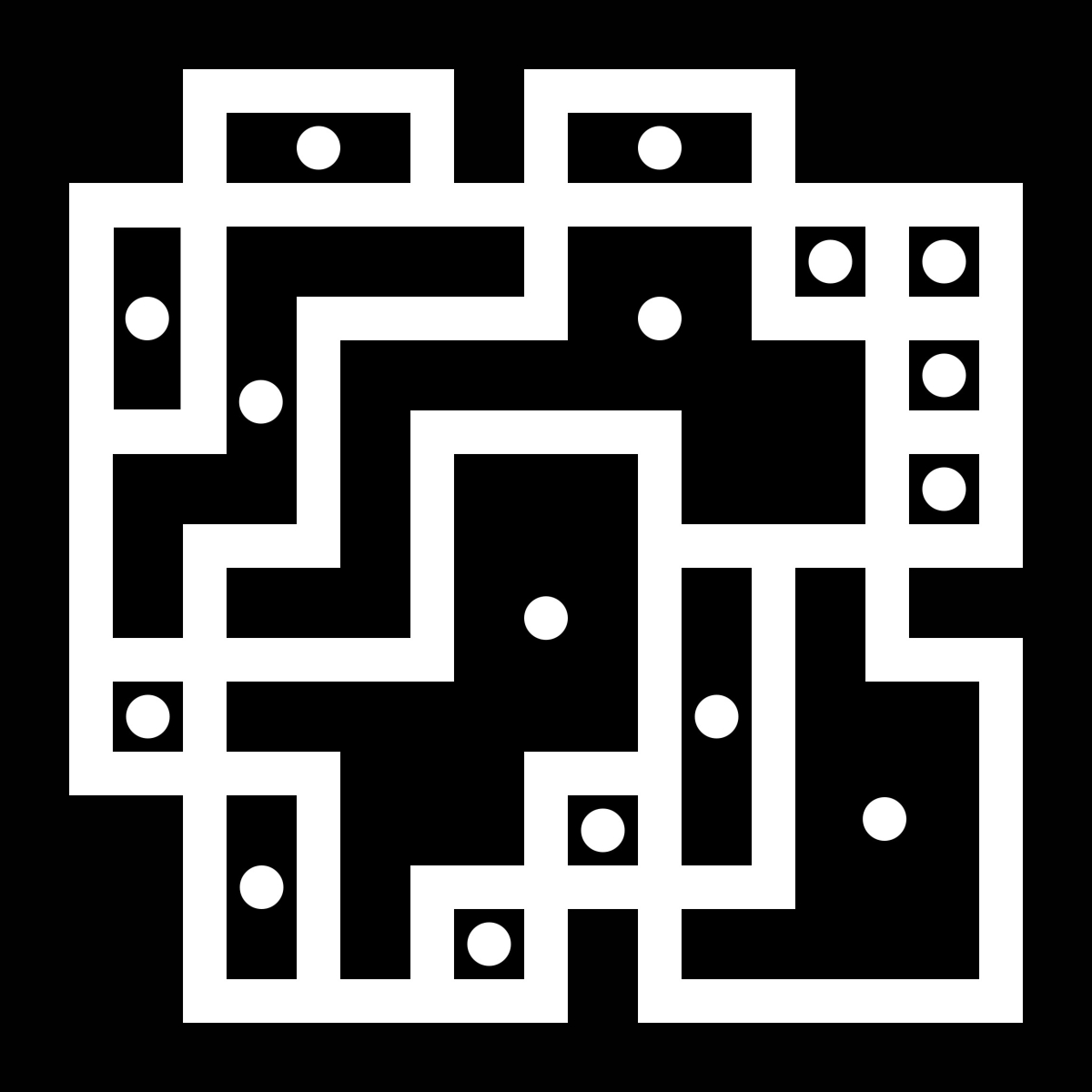
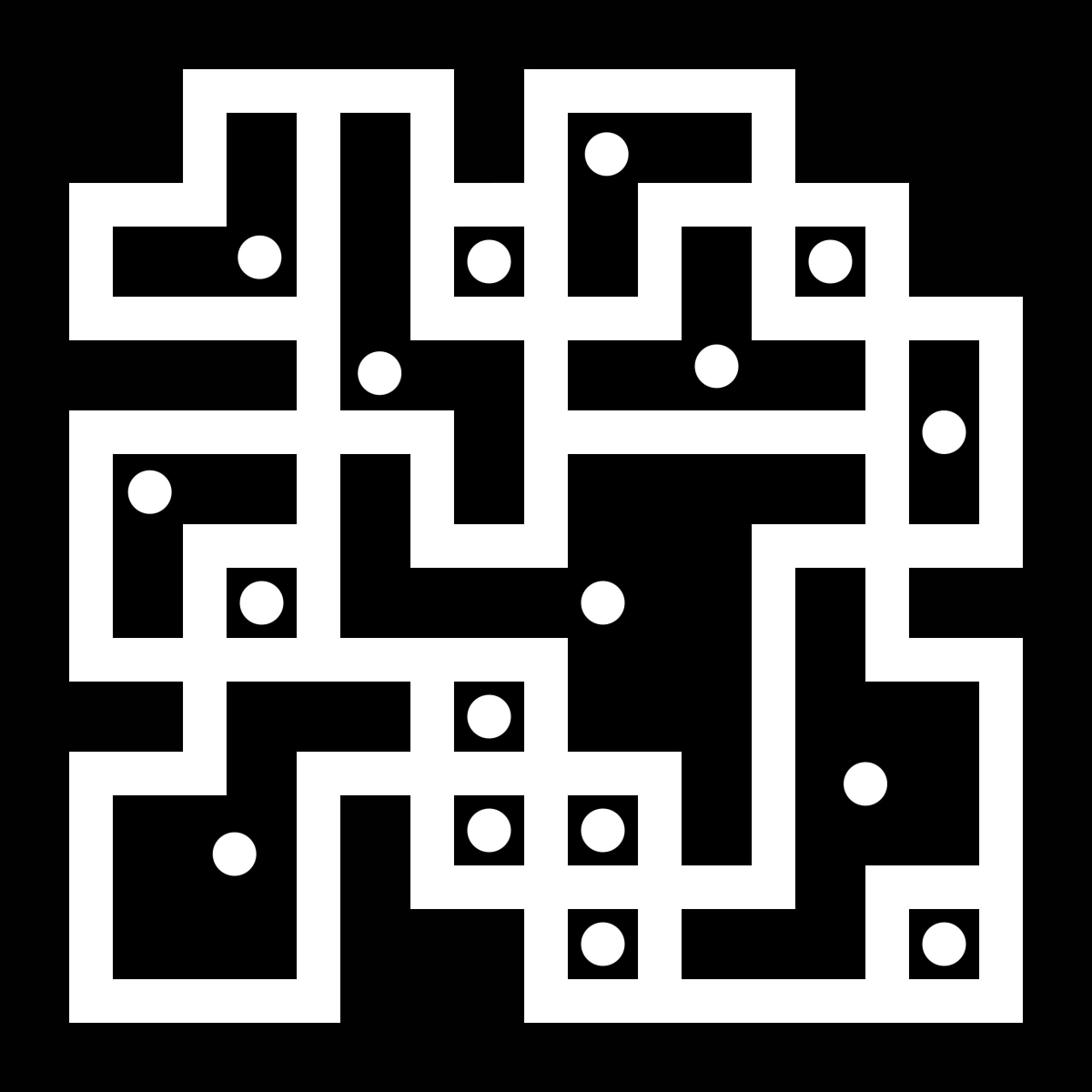
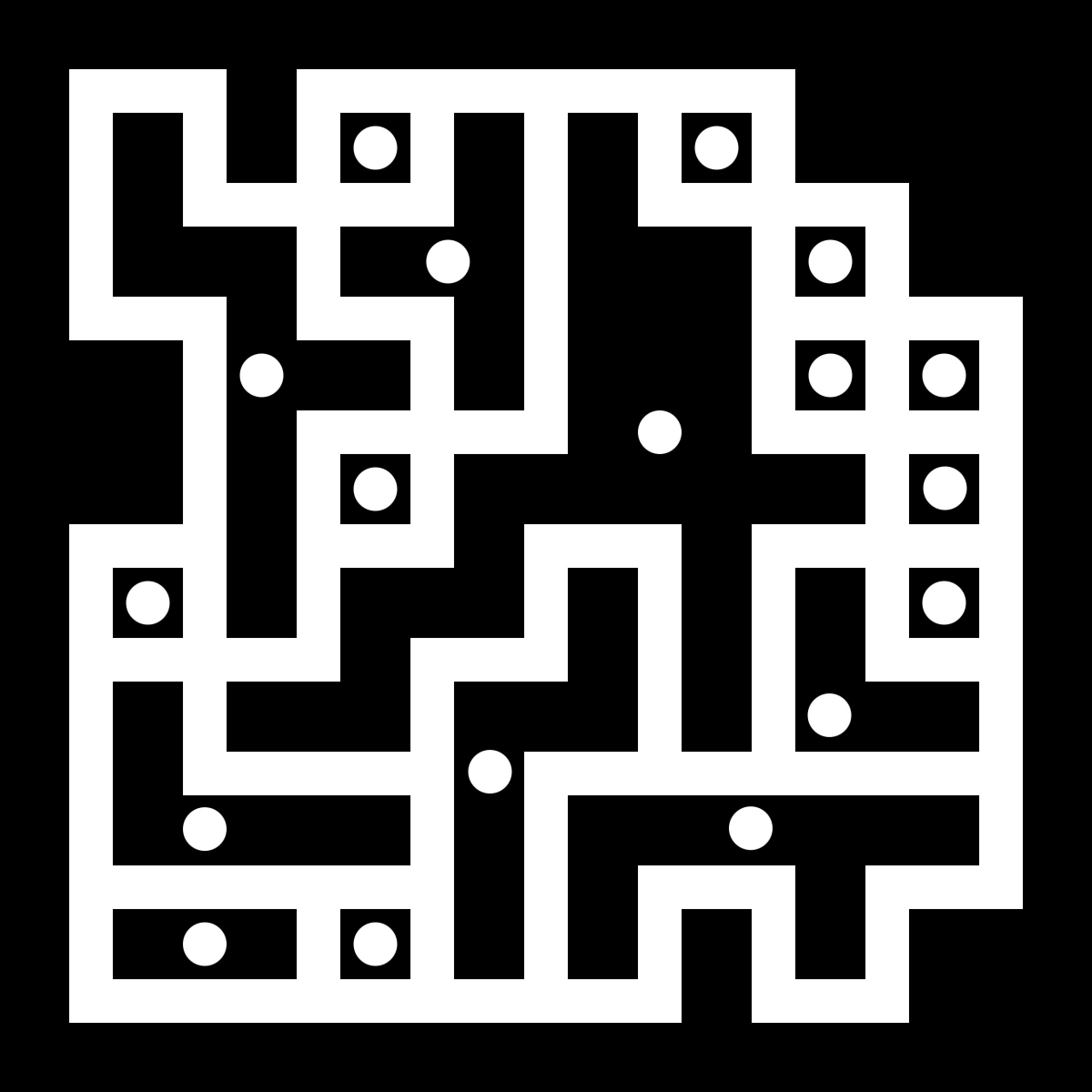
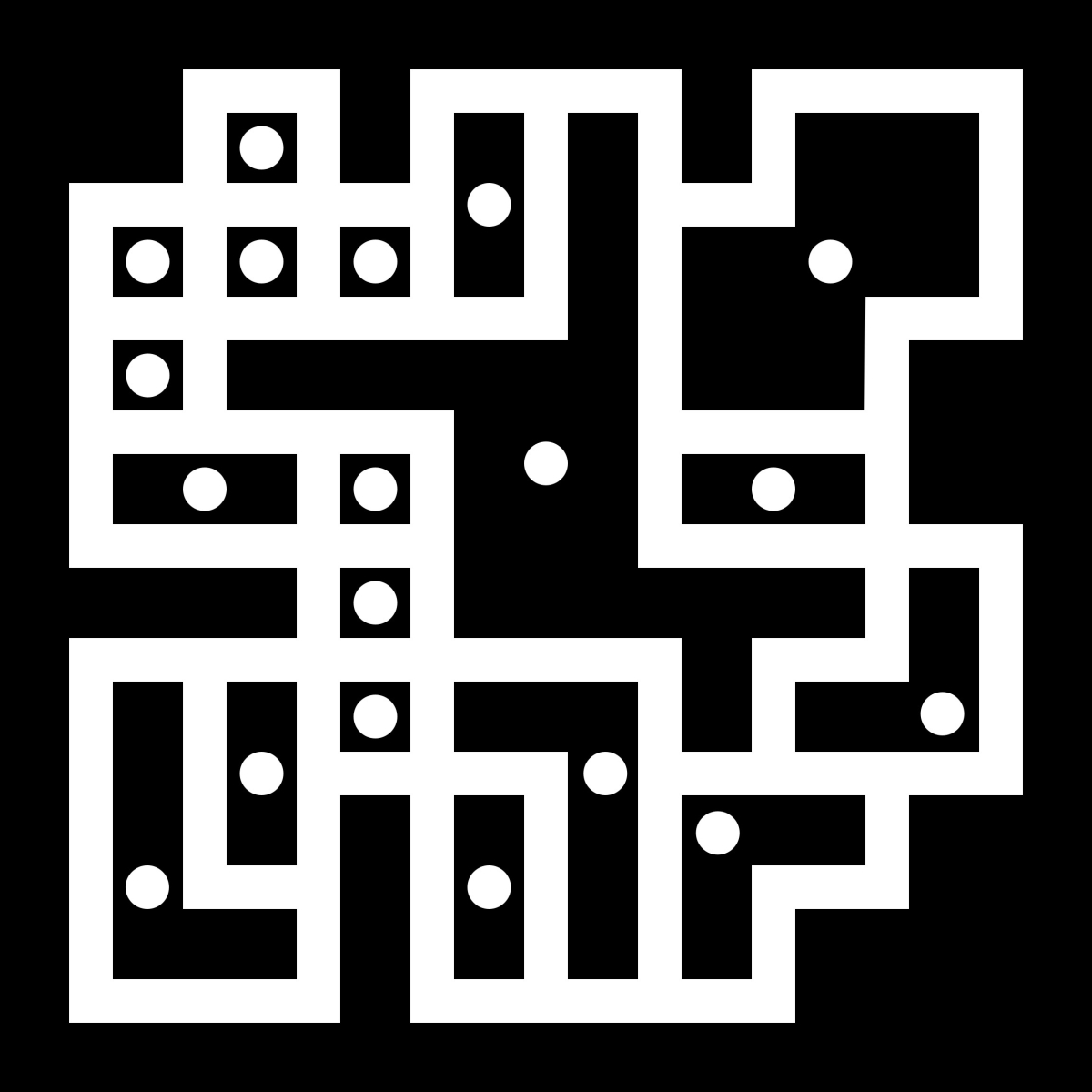
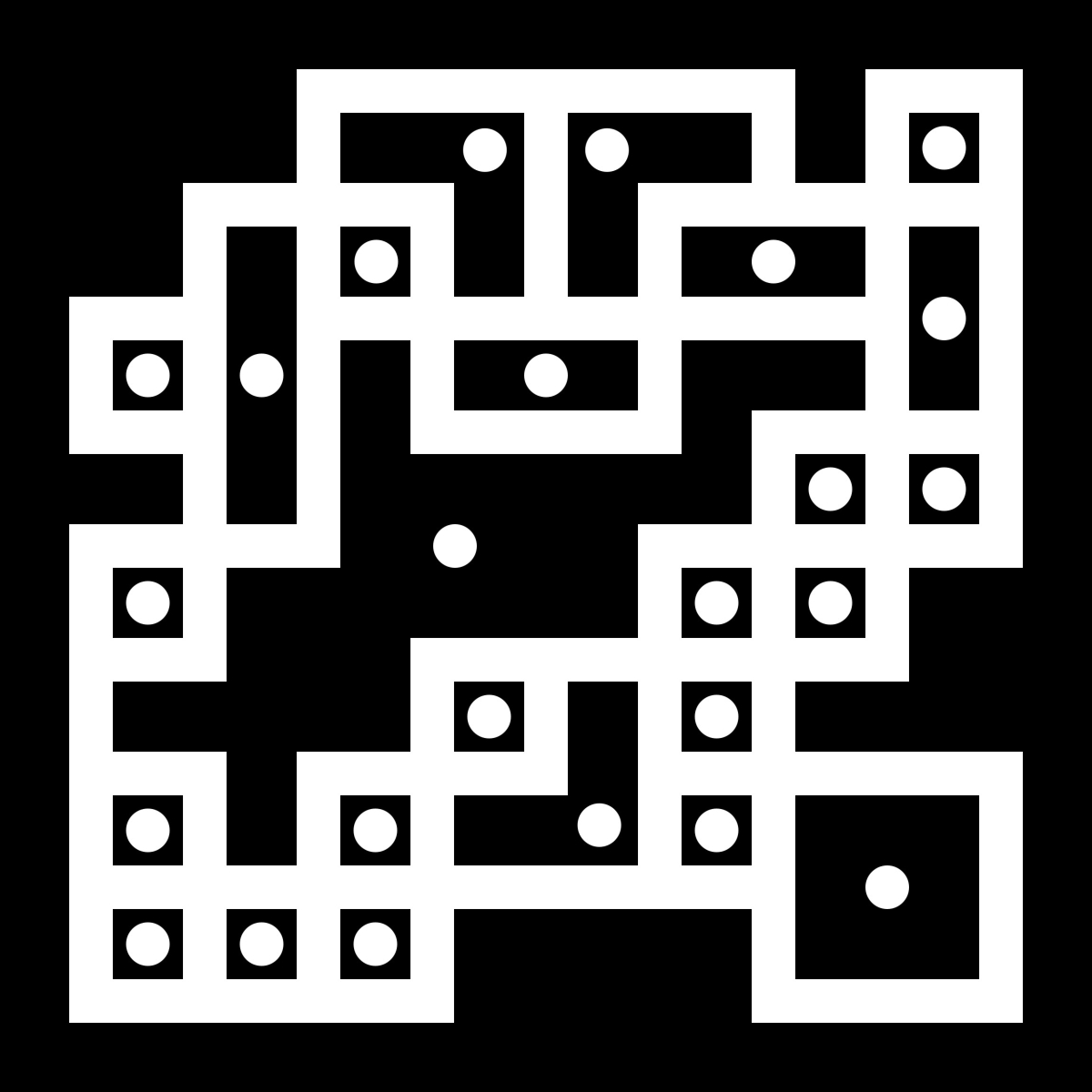
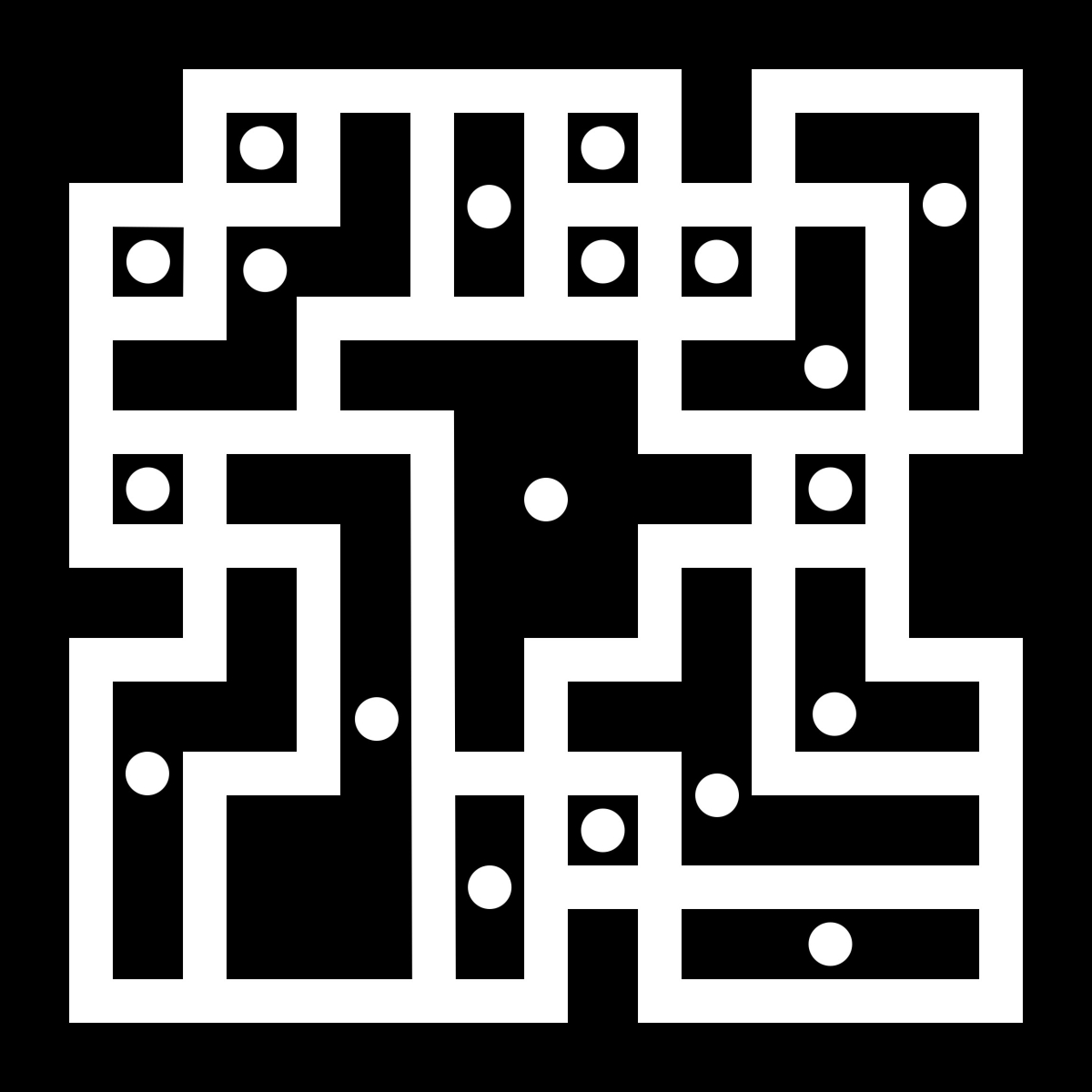
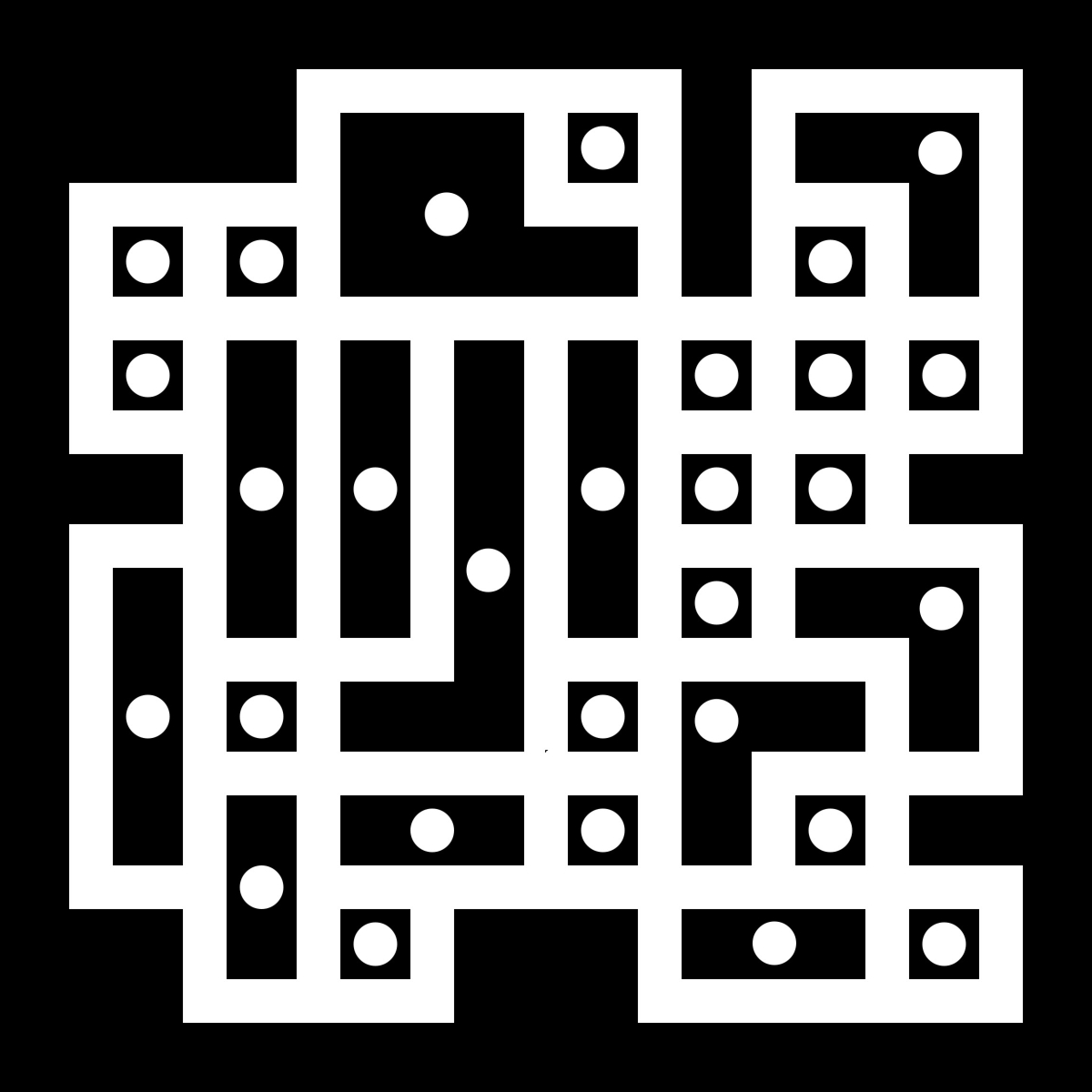
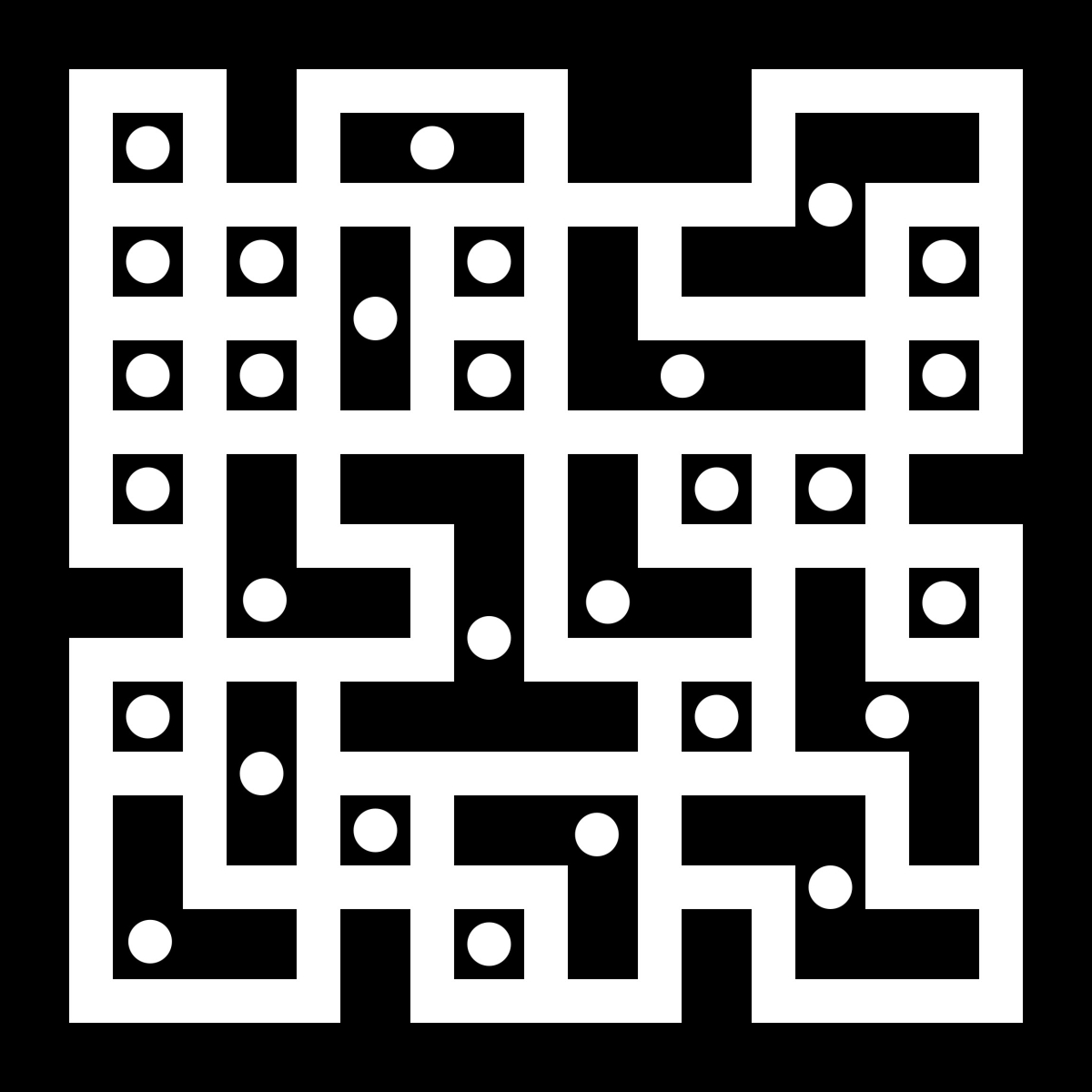
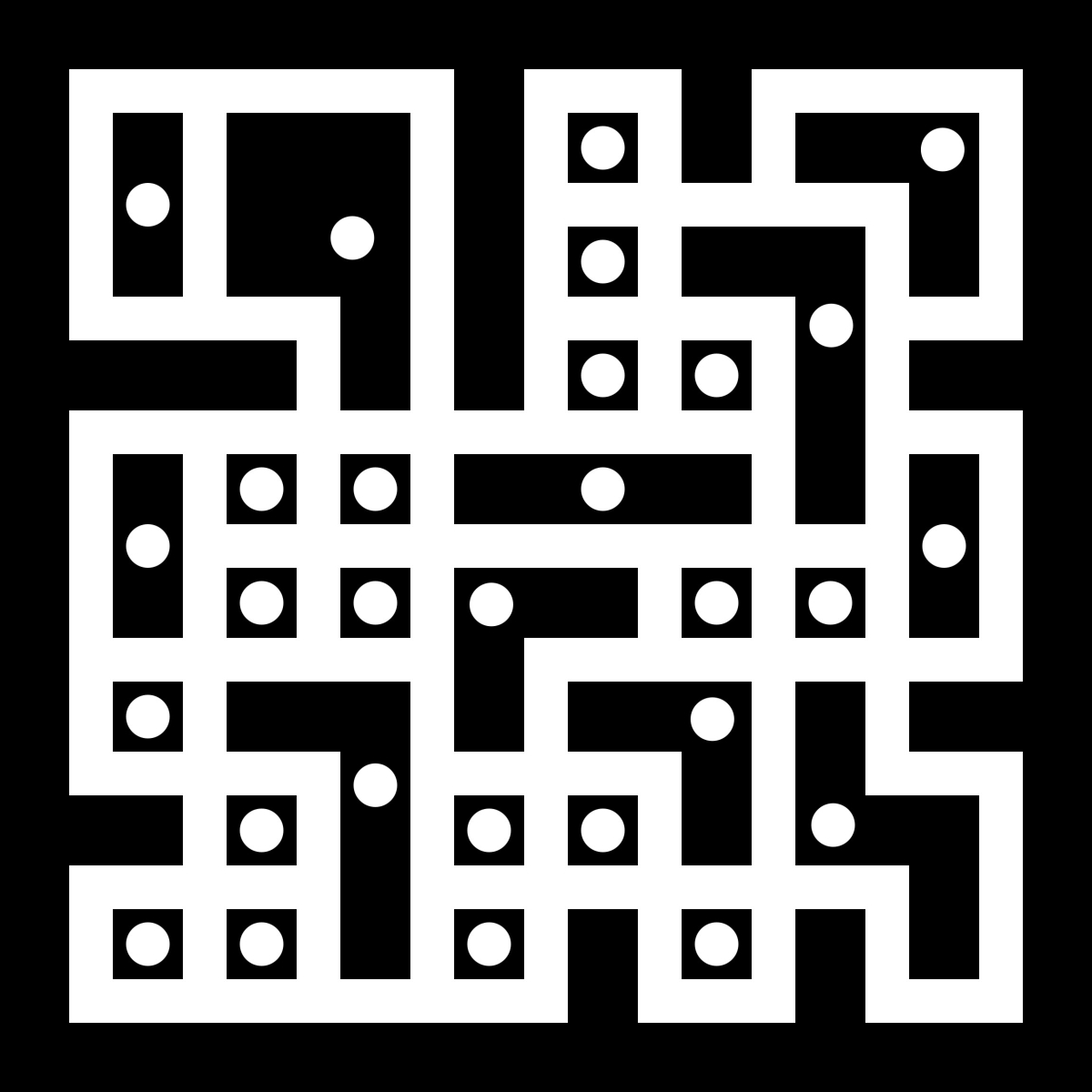
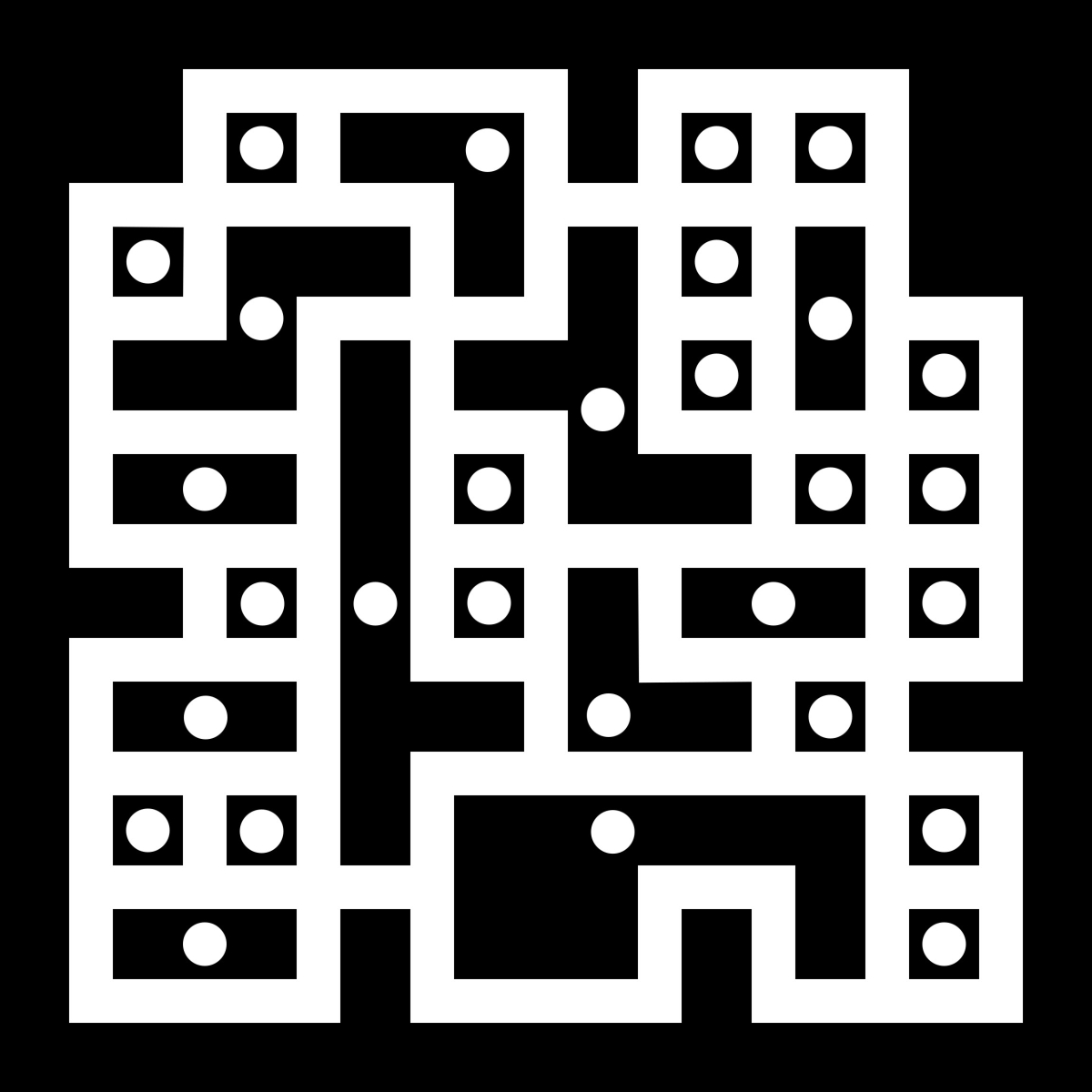
Through the specific practice of Sikku Kolam I developed the Satura Kolam where Satura means ‘Square’ in Tamil. The reason why I used the Tamil equivalent of the word ‘Square’ is that in the Satura Kolam, the smallest space which is possible to create is a square.
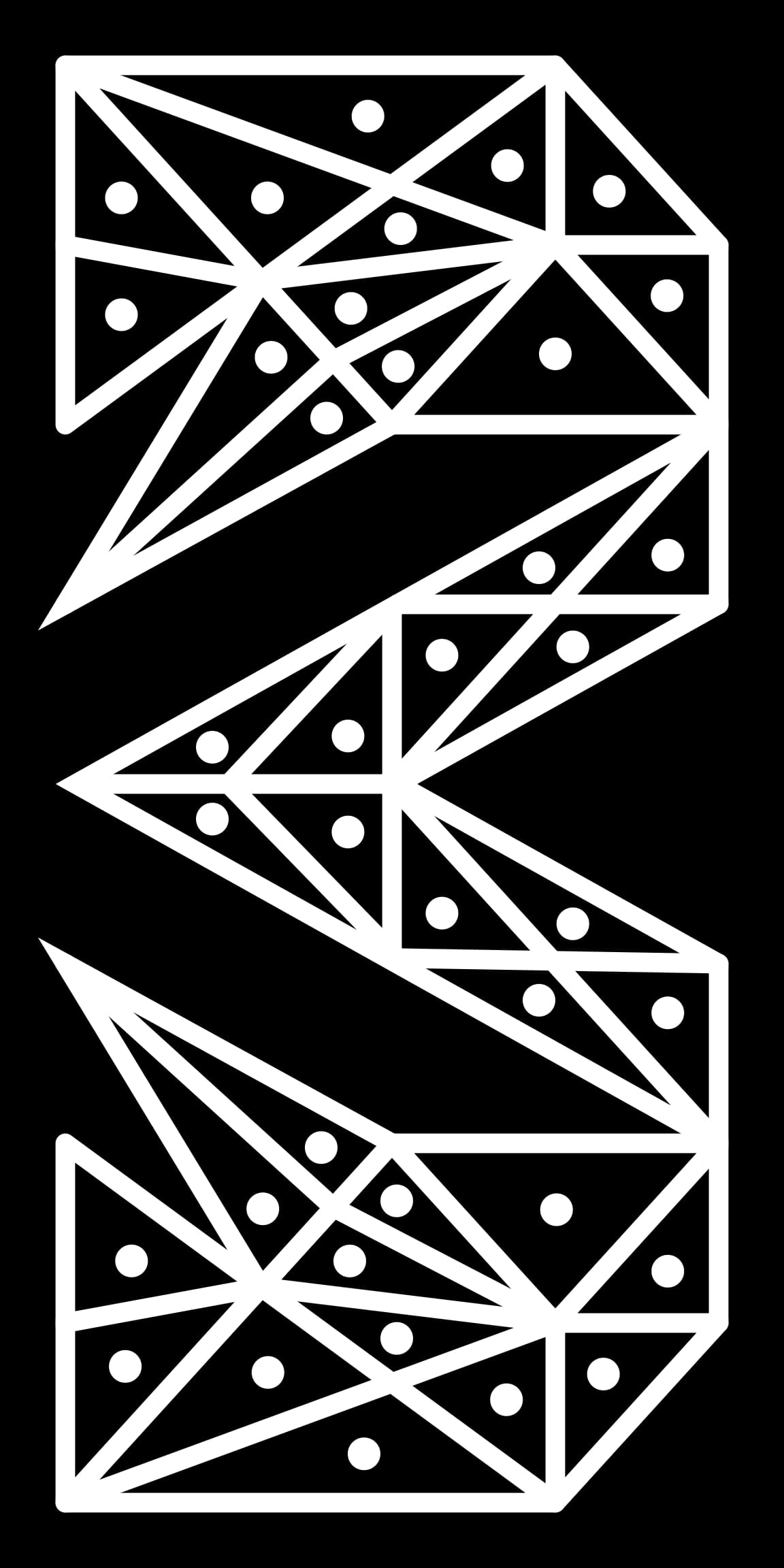
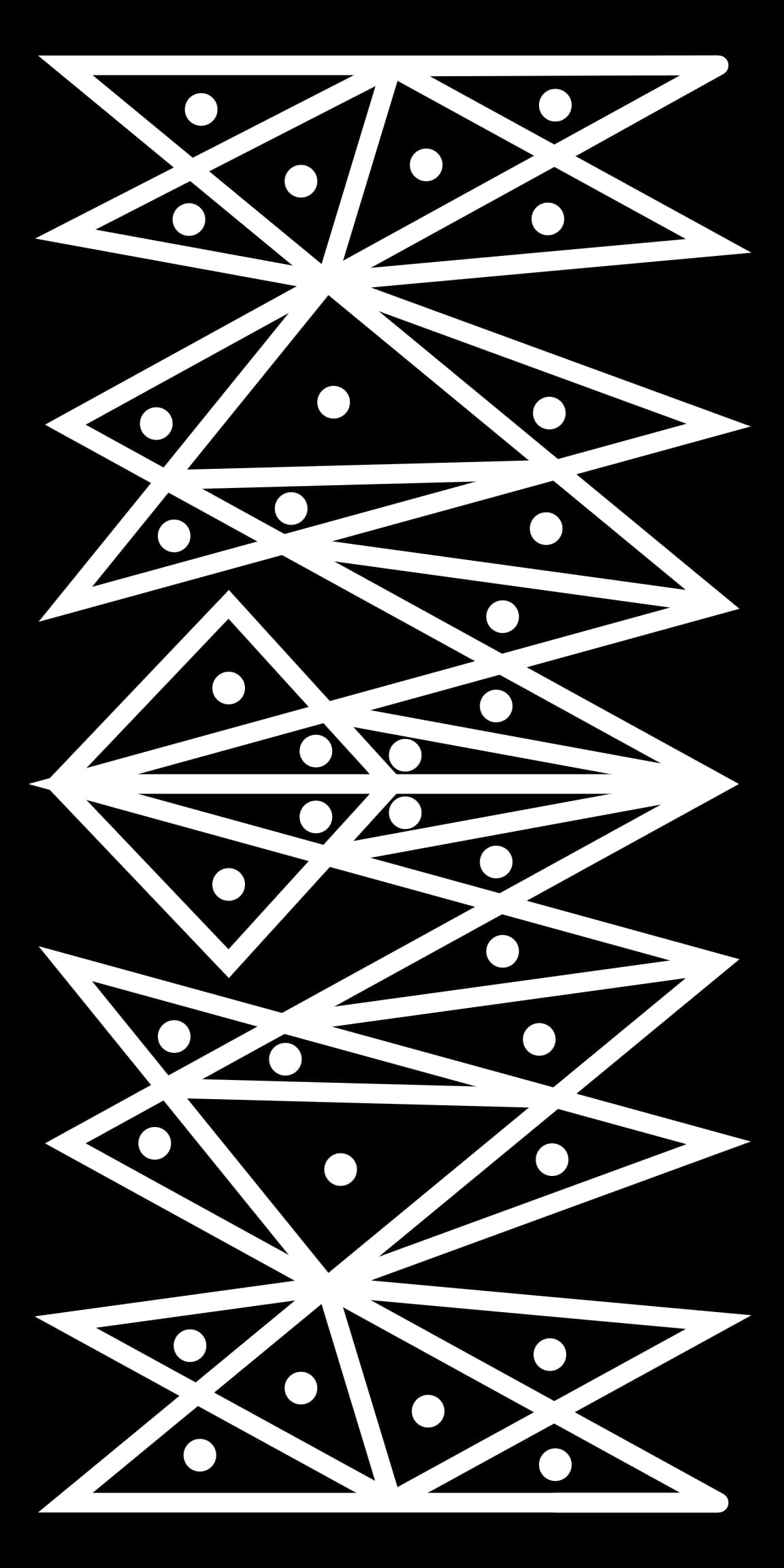
The Sikku Kolam was modified in practice and concept which was done through much analysis, sketching and contemplation which resulted in the concept of the Satura Kolam. The main element of the Satura Kolam is that the drawing practice of the Sikku Kolam is inverted where in the Sikku Kolam the dots were placed on a grid according to which the lines were guided, however, in the Satura Kolam it is the lines which are placed on a grid and according to the created enclosed spaces, the dots are placed. In the Sikku Kolam each dot resembles a space which needs to be enclosed by the path of the line so essentially it is the dots which determines the space. In the Satura Kolam, however, it is the lines which determines the space where the lines follow an arbitrary path on a grid and through this arbitrary movement each space which is enclosed completely by the path of the line is visually indicated through the placement of a dot. Each enclosed space is visually communicated to the viewer by a single dot where, one enclosed space is signified by a single dot.
The process of signification of space where one enclosed space is signified by one dot is a common element for the Sikku Kolam and the Satura Kolam. In the Sikku Kolam it is the dot which creates the space according to the placement of the dots on a grid while in the Satura Kolam it is the line which creates the space according to the movement of the line on a grid and the dot is a mere signification of an enclosed space.
In both types of Kolams there is the act of creating space where in the Sikku Kolam the space is already created by the dots placed on a grid and in the Satura Kolam the process of creating space is done through the movement of the line which moves arbitrarily on a grid. Therefore, the process of the Sikku Kolam is inverted in the process of the Satura Kolam where instead of the dots, it is the lines which follow a grid and as a result of the movement of the lines spaces are enclosed. In the Satura Kolam once the enclosed spaces are created as a result of the movement of lines then a dot is placed so that the enclosed space is visually signified through the dot.
The practice of the Satura Kolam is essentially creating space through the movement of lines which creates enclosed spaces according to which dots are distributed. In the Sikku Kolam, the dots are predetermined according to a grid which essentially predetermines space while in the Satura Kolam the path of the lines are predetermined according to a grid which creates space arbitrarily and each enclosed space is signified through the placement of the dot. Therefore, unlike in the Sikku Kolams, in the Satura Kolam spaces are created arbitrarily which are then in turn signified through a dot. The process of the Satura Kolam is essentially an arbitrary creation of space and this function is not present in the practice of Sikku Kolam as in the Sikku Kolam the creation of space is predetermined according to a grid and the function of the creation of arbitrary space sets apart the Satura Kolam from its predecessor.
The function of the Satura Kolam is the same as the function of the Sikku Kolam where, once complete, it essentially functions as a bringer of good luck to a space and most importantly it is an invitation to the Goddess Lakshmi to a space in the hopes that she will bring good luck and good fortune and essentially bless the space. Further, as the act of creating a Kolam is a form of traditional art, therefore, the creation of a Satura Kolam is also an act of creating art where each Satura Kolam exists as a work of art.
It is important to note that in the Sikku Kolam there is only the presence of a single continuous line while in the Satura Kolam there are multiple continuous lines present. Usually about two or three continuous lines are used to create a Satura Kolam. Although many color combinations are possible in the creation of the Satura Kolam, the reason why I used black and white is because the use of black and white gives the Kolams the maximum contrast to the image. Also the use of black and white, resembles the physical Kolams which are done on the floor which are usually done with rice flour which is white on a dark surface.
Through experimentation, in order to preserve the color and contrast of the digital work, it is best to print on photographic paper as a photograph which preserves the quality of the digital document. Printing of the the digital document as a photograph preserves the color and more importantly the contrast of the digital document. The last step is to frame the Satura Kolam accordingly. These digital Satura Kolams are created by myself from scratch using graphic design software and does not use Artificial Intelligence or any other external assistance in anyway. The first series of Satura Kolam is as follows:
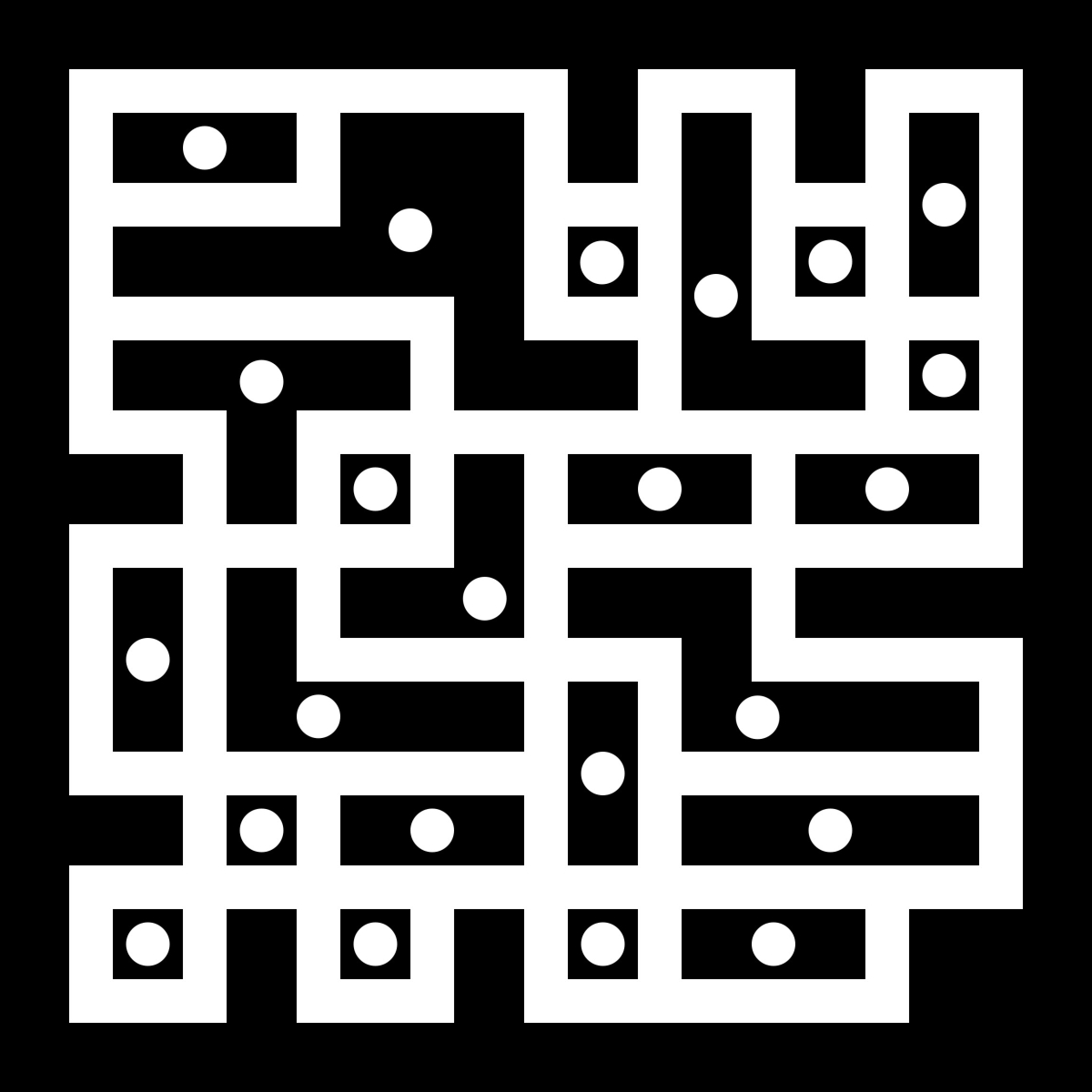
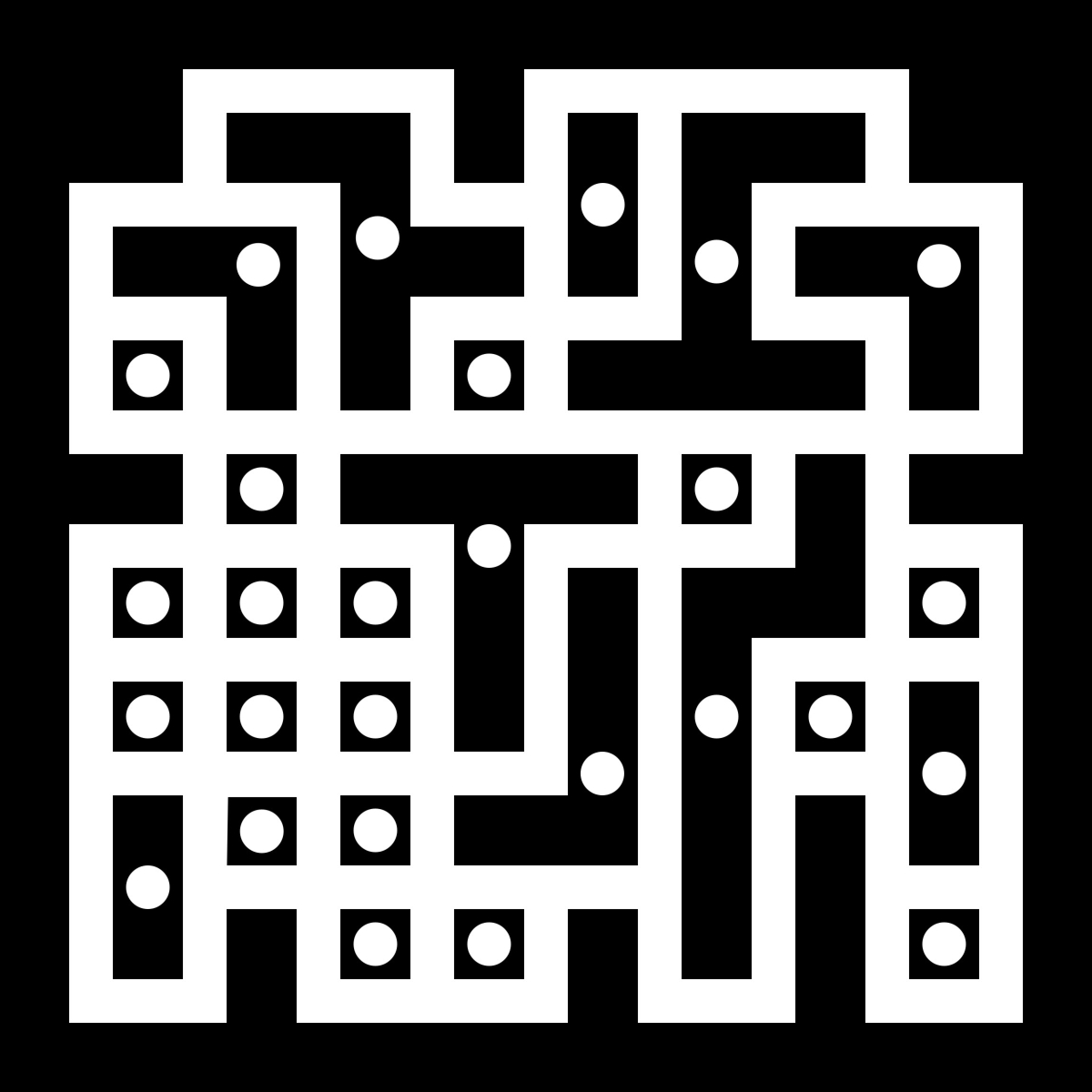
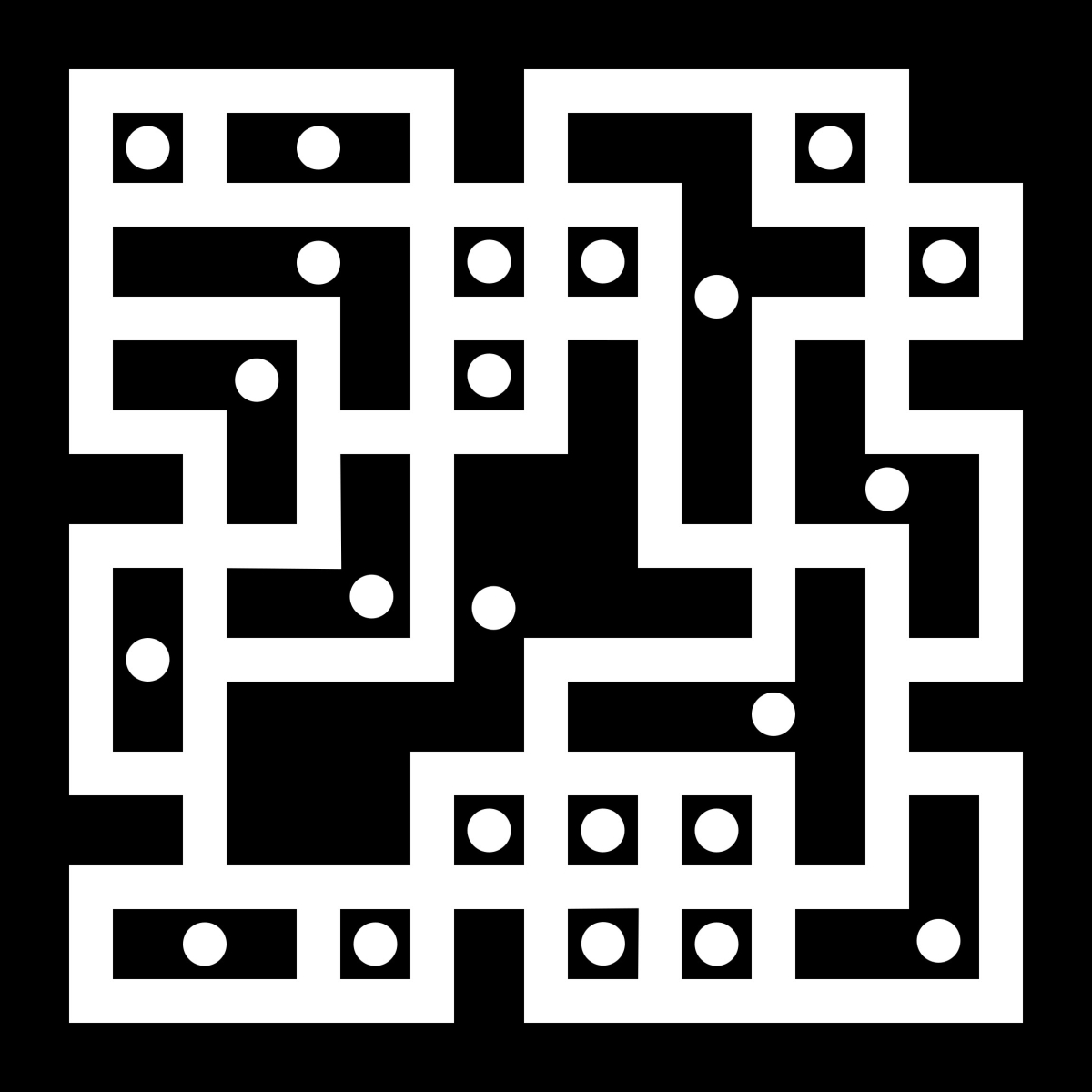
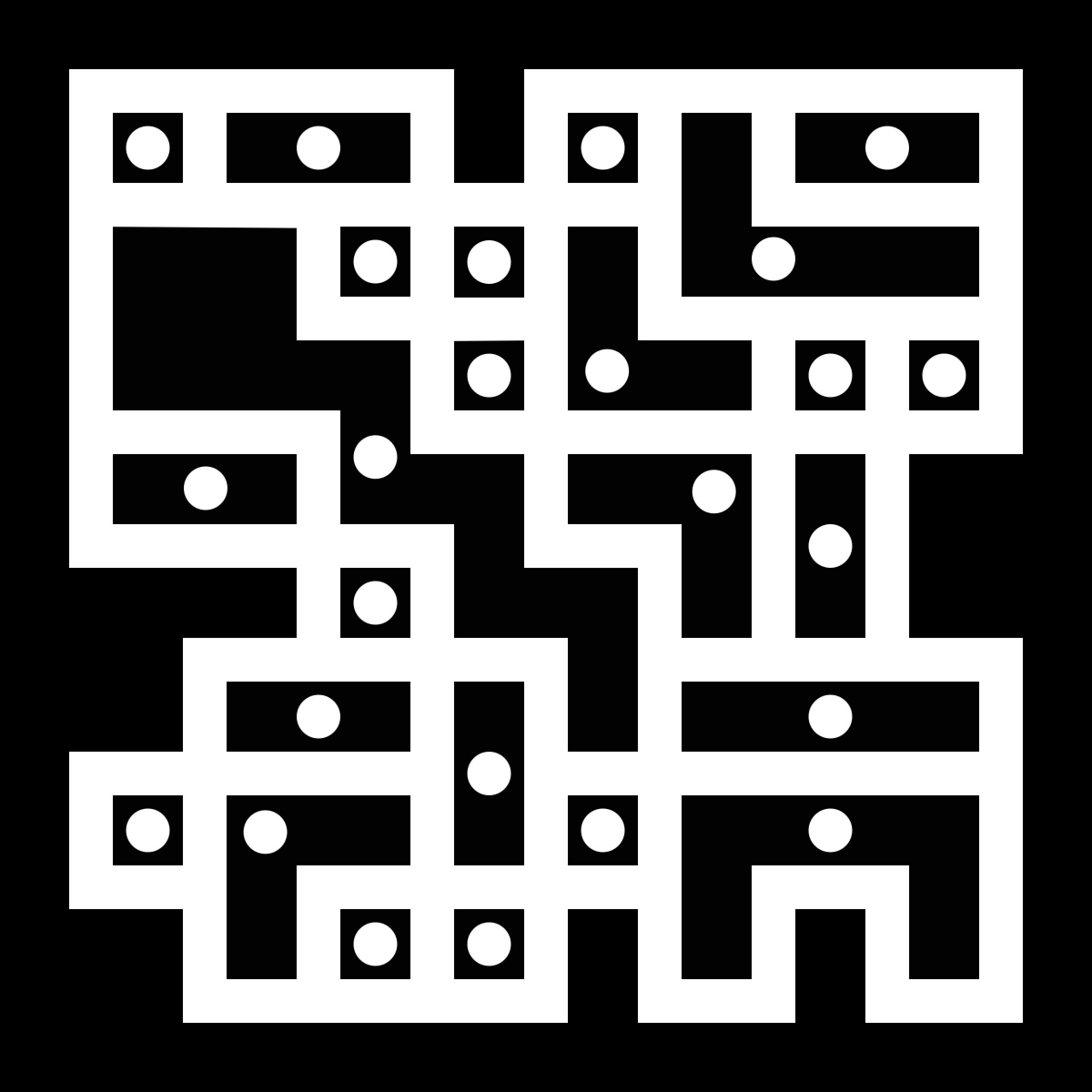
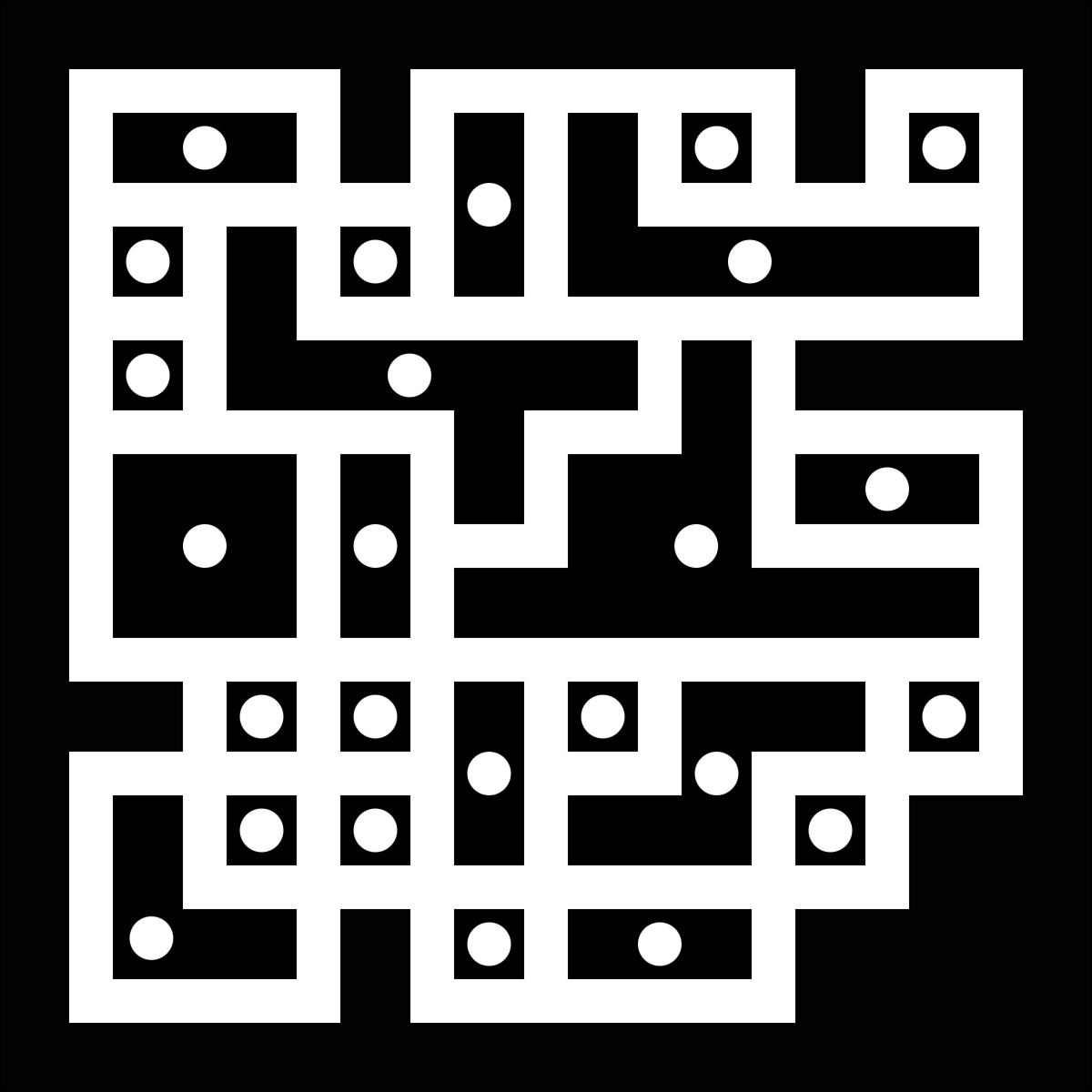
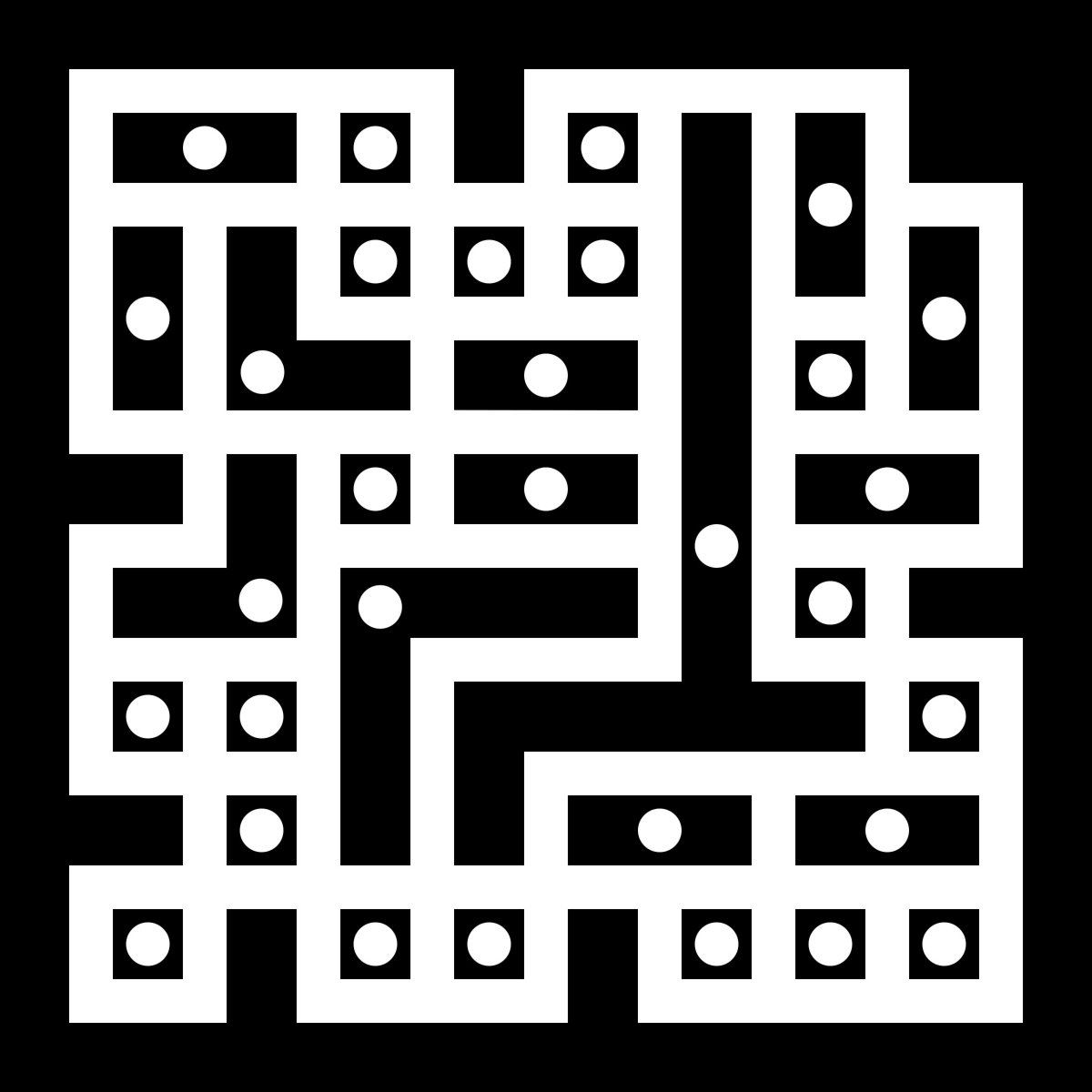
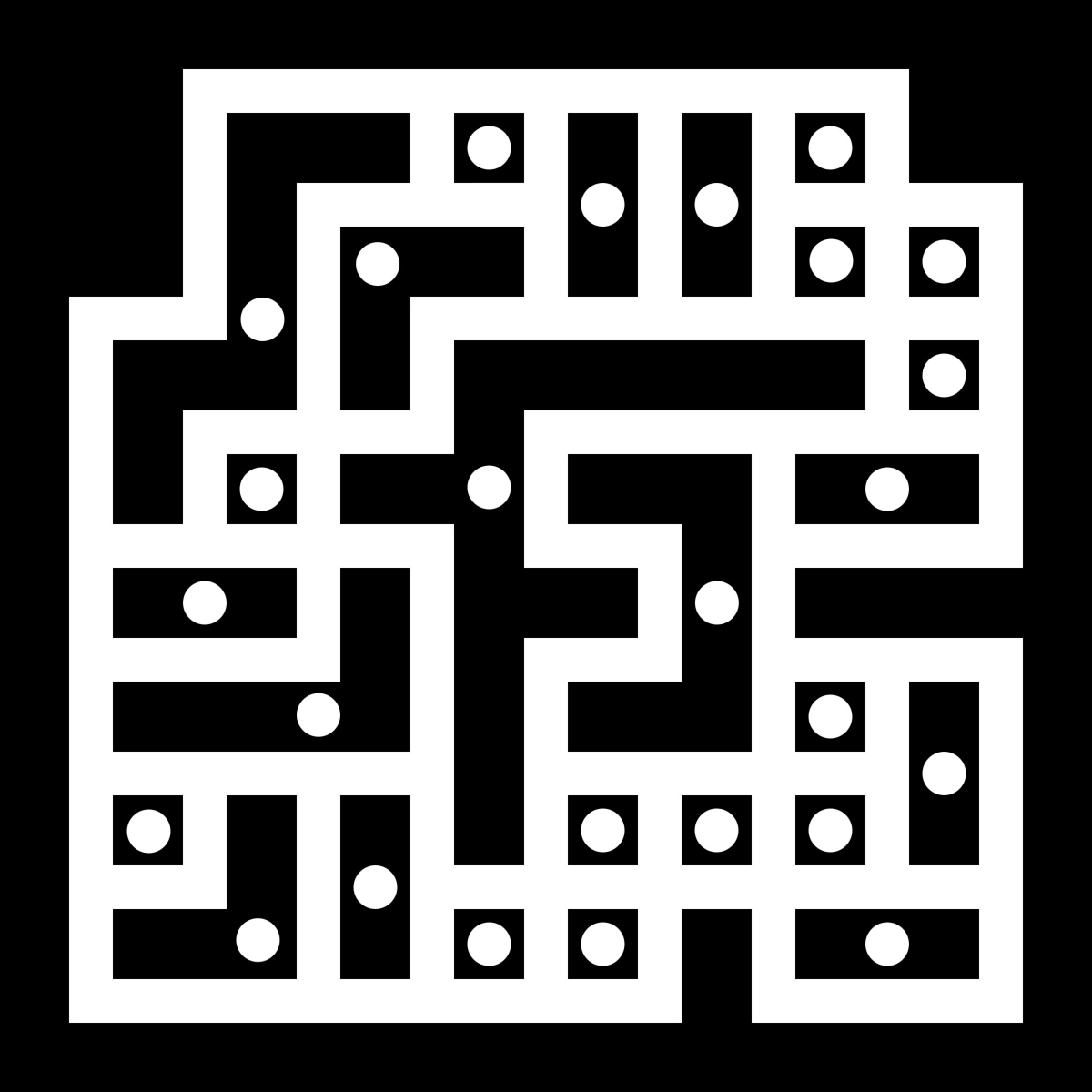
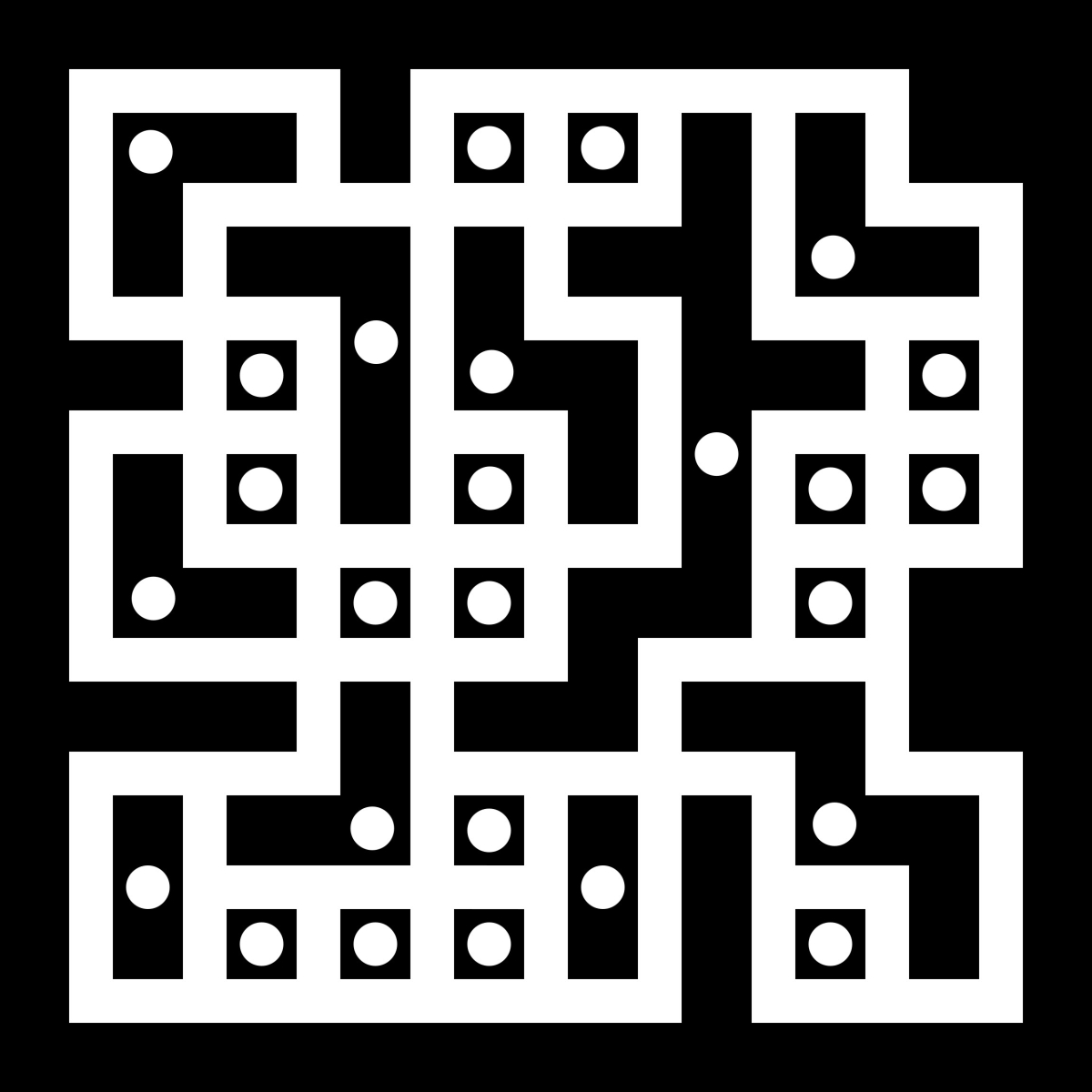
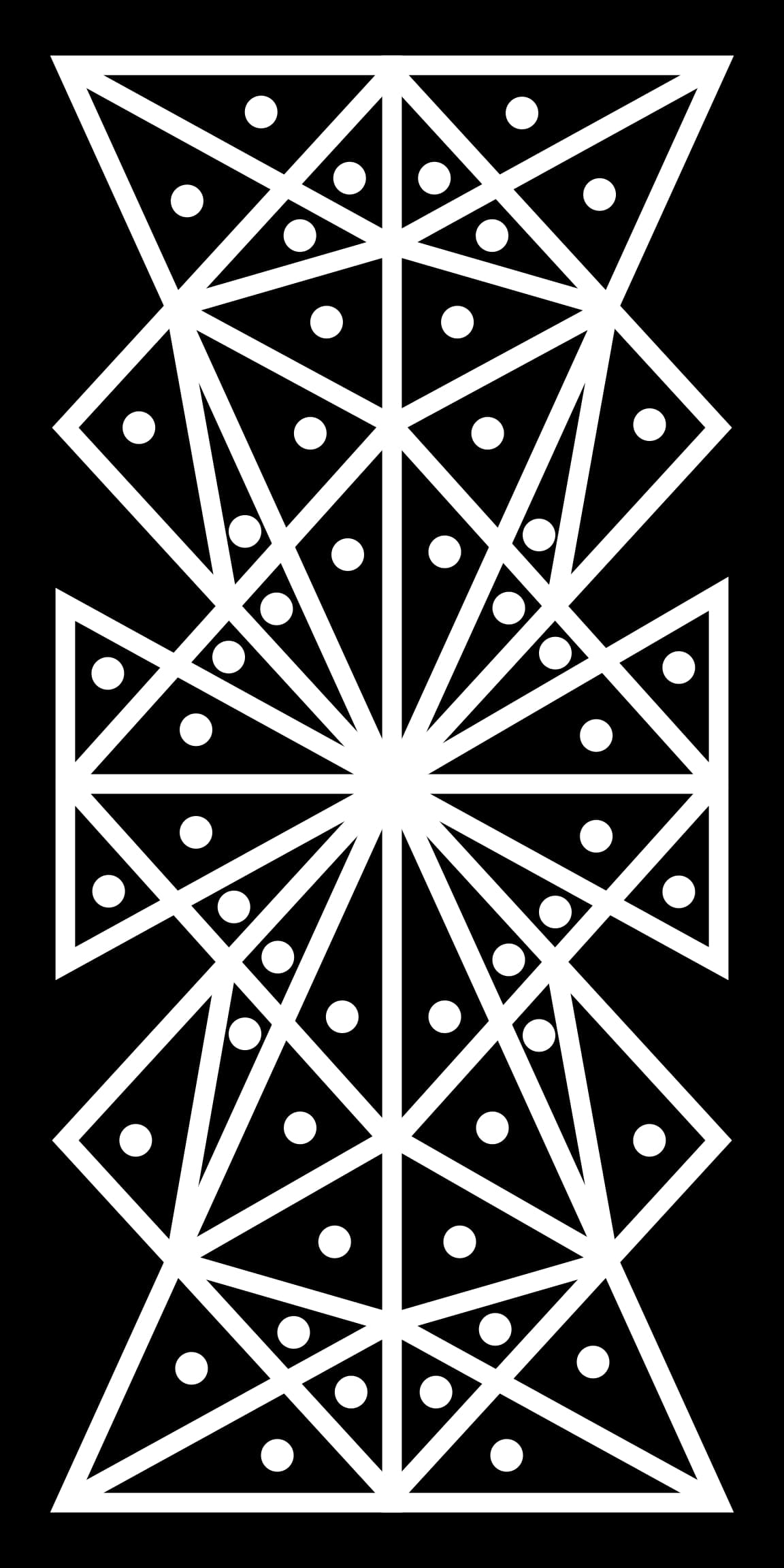
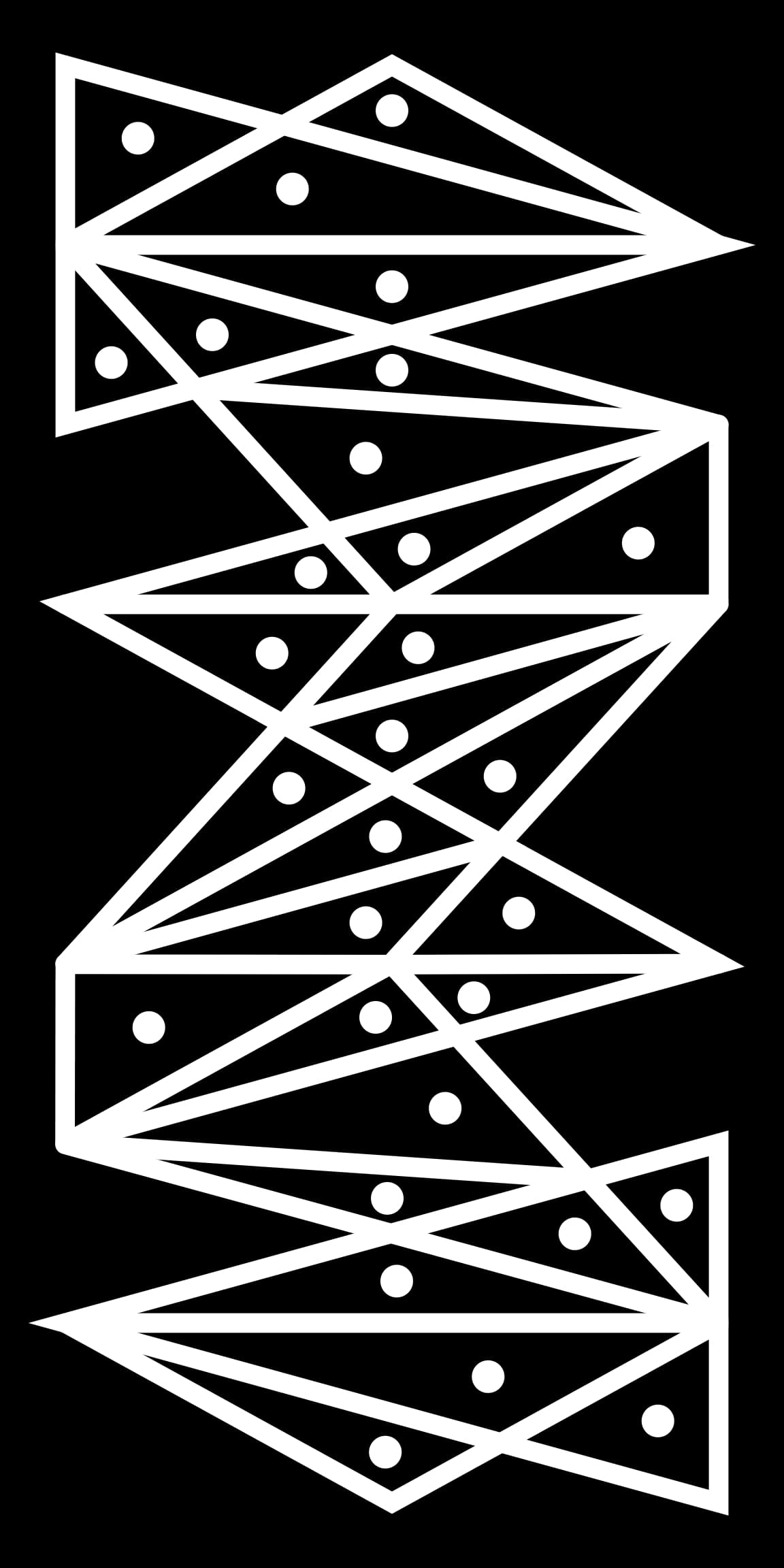
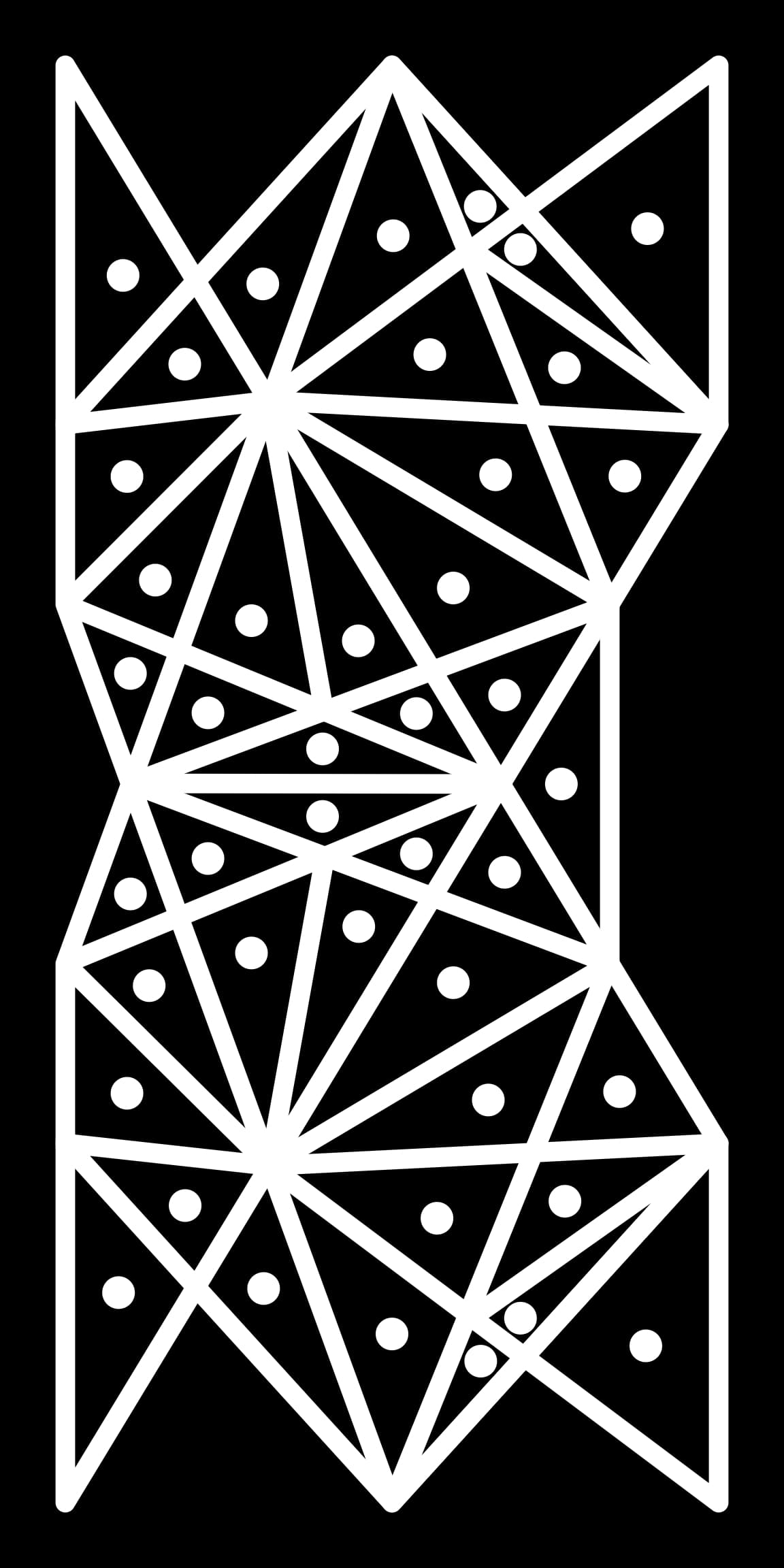
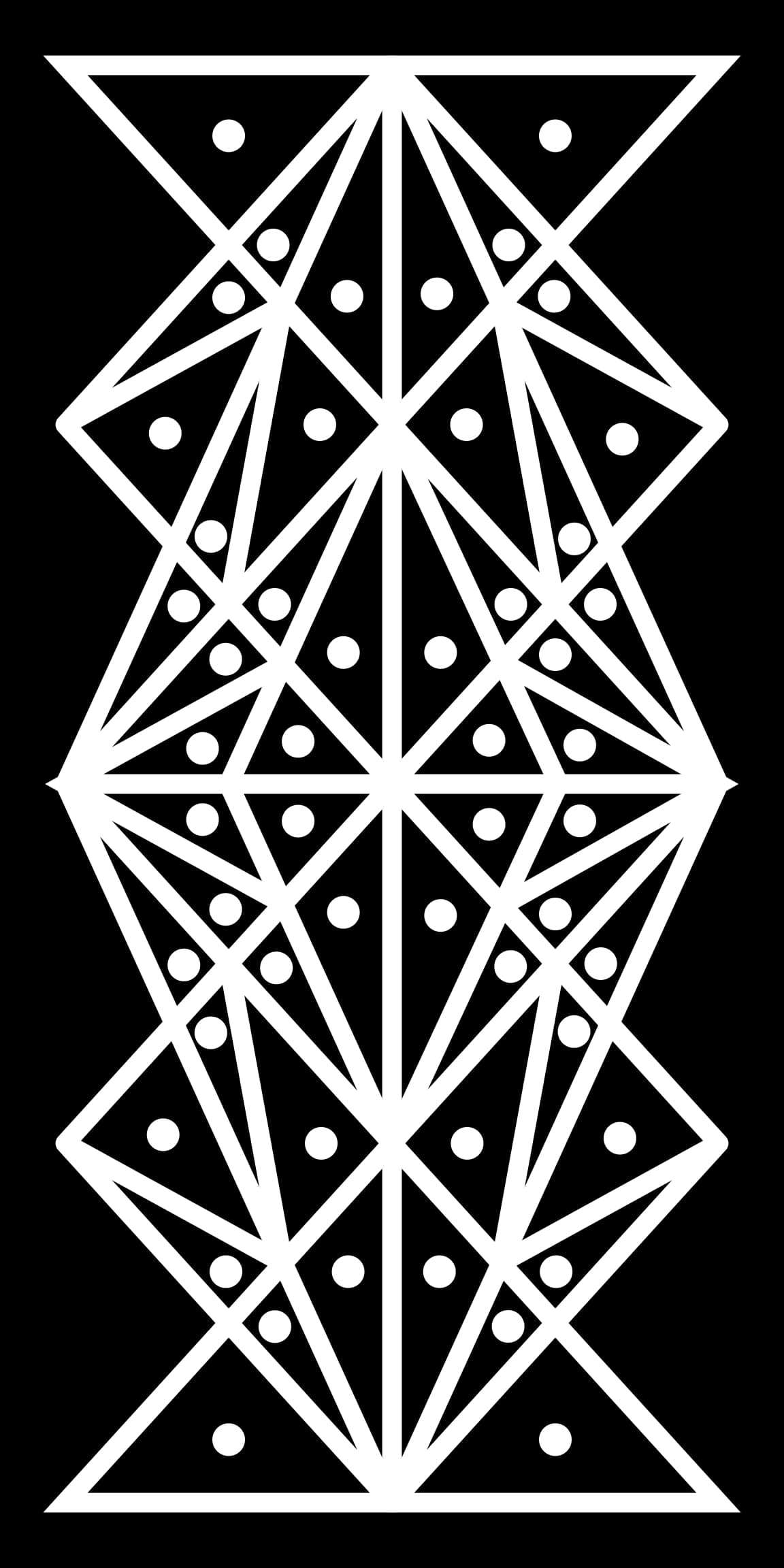
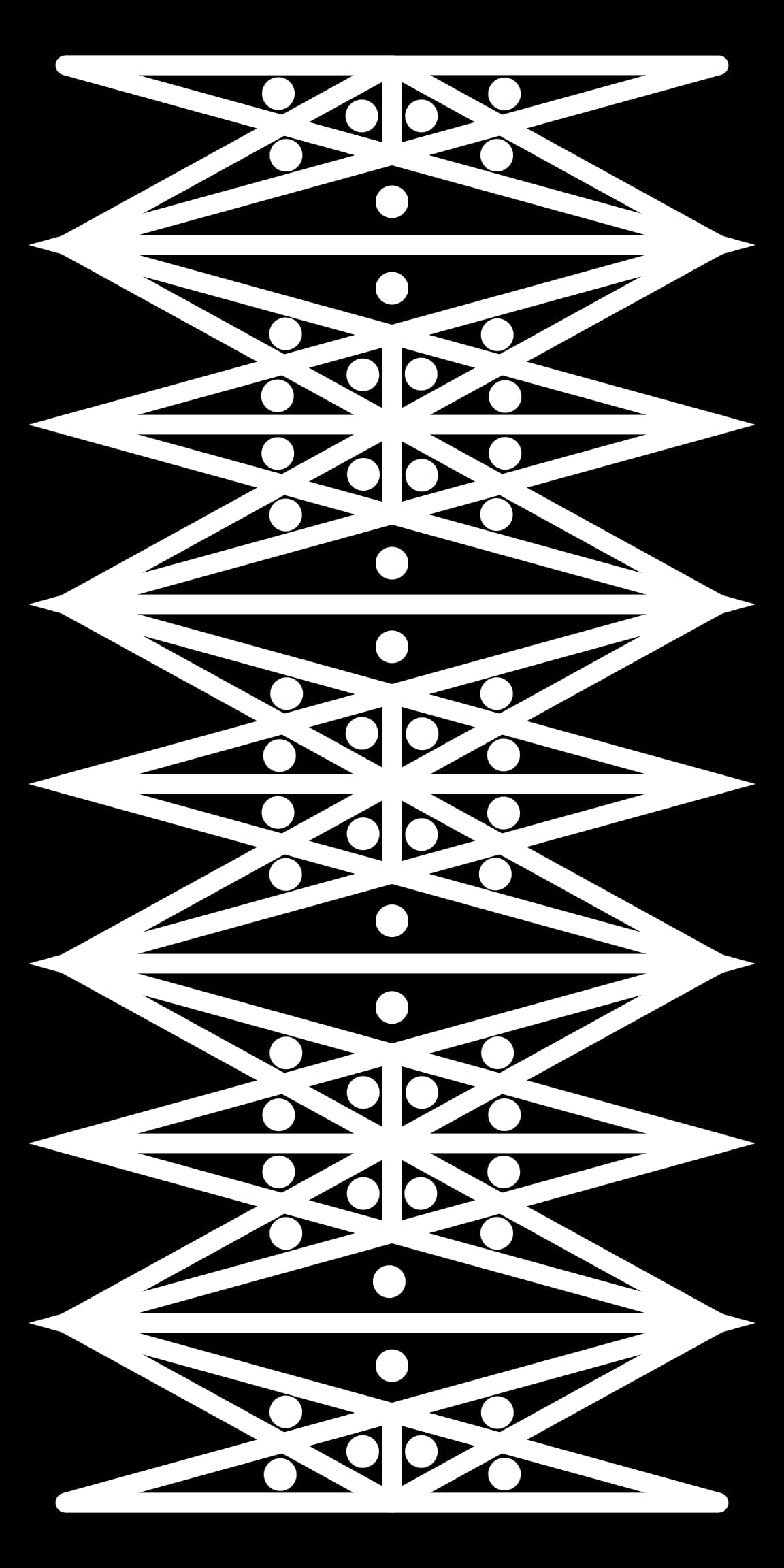
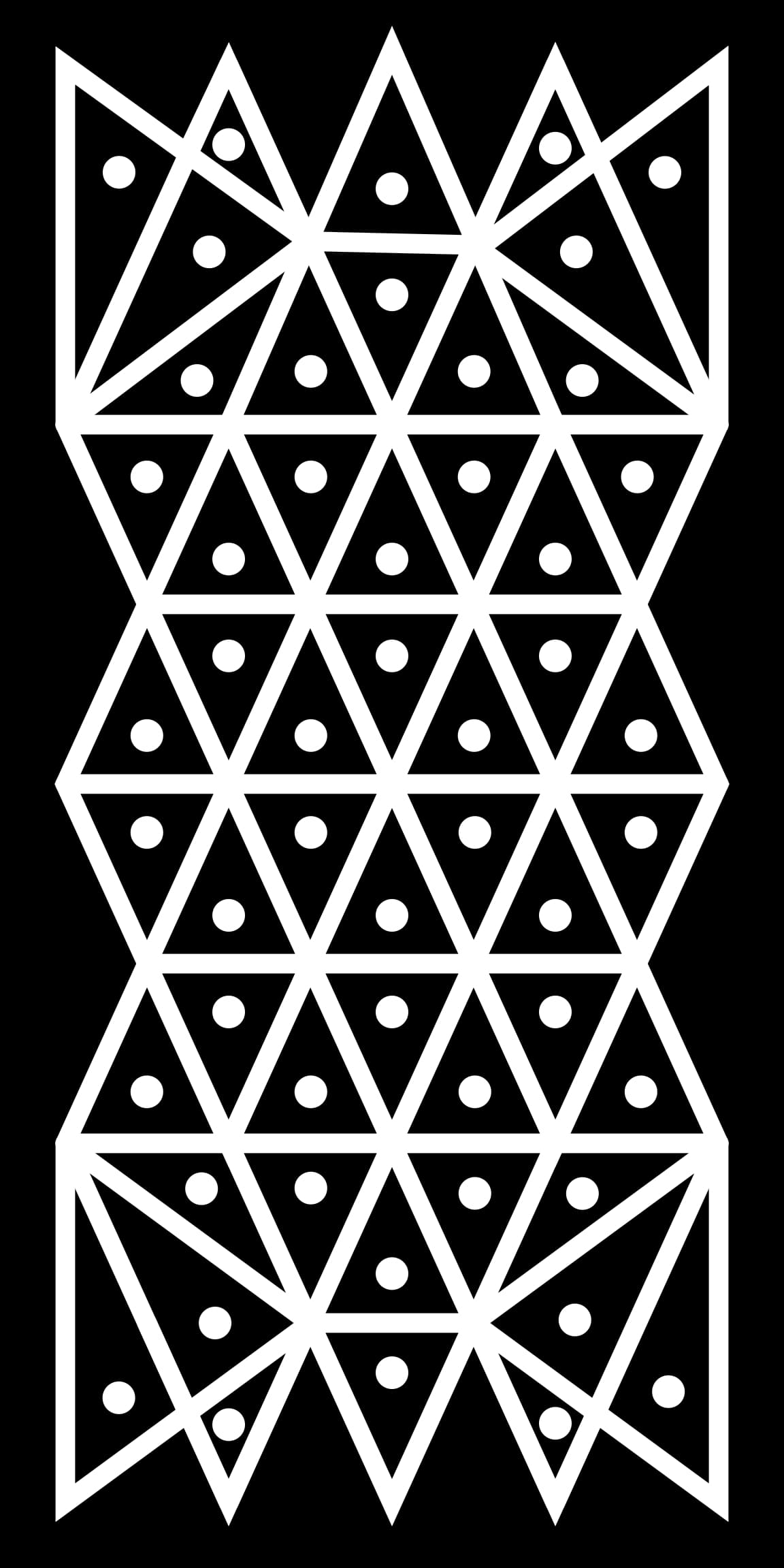
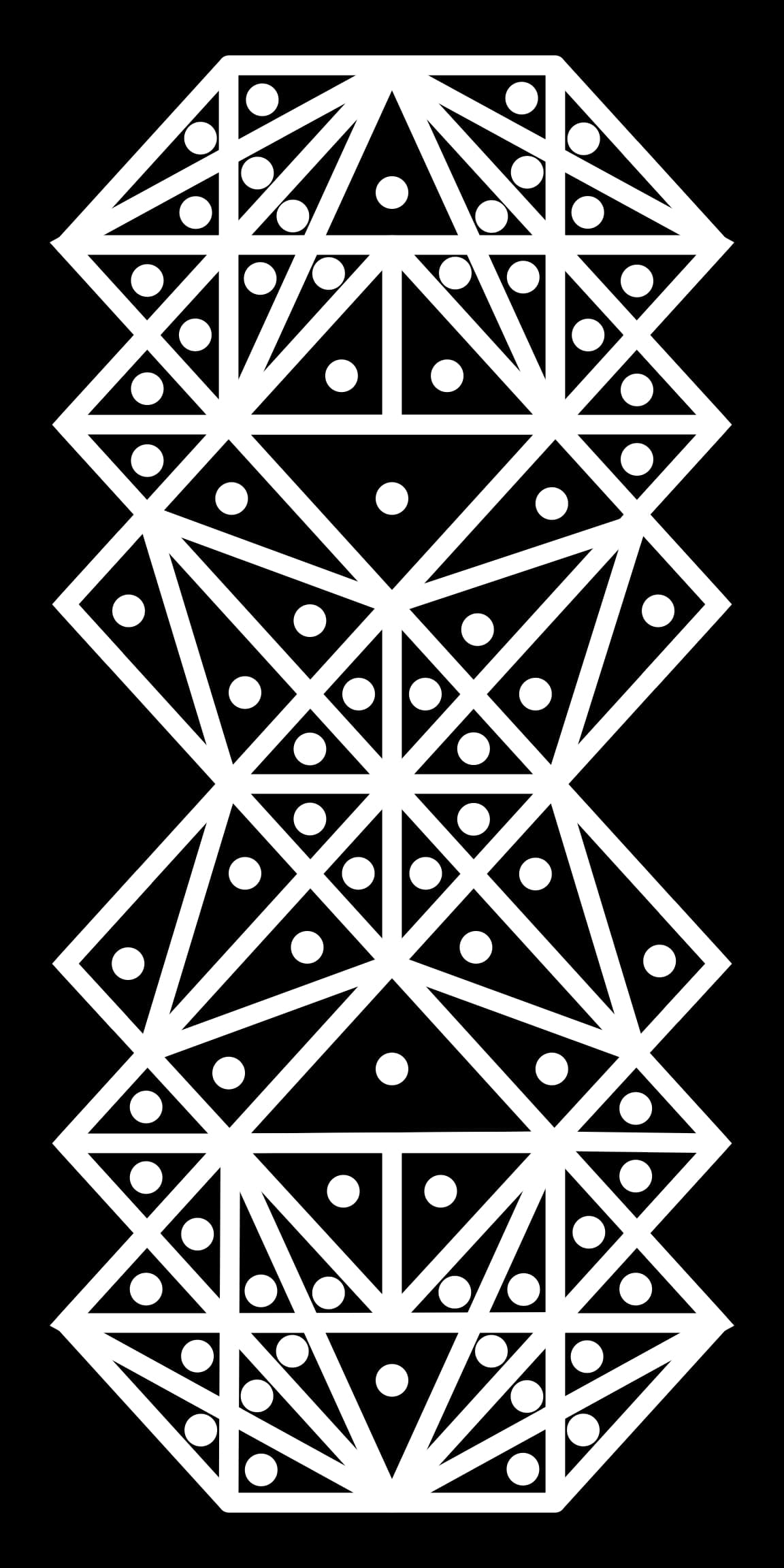
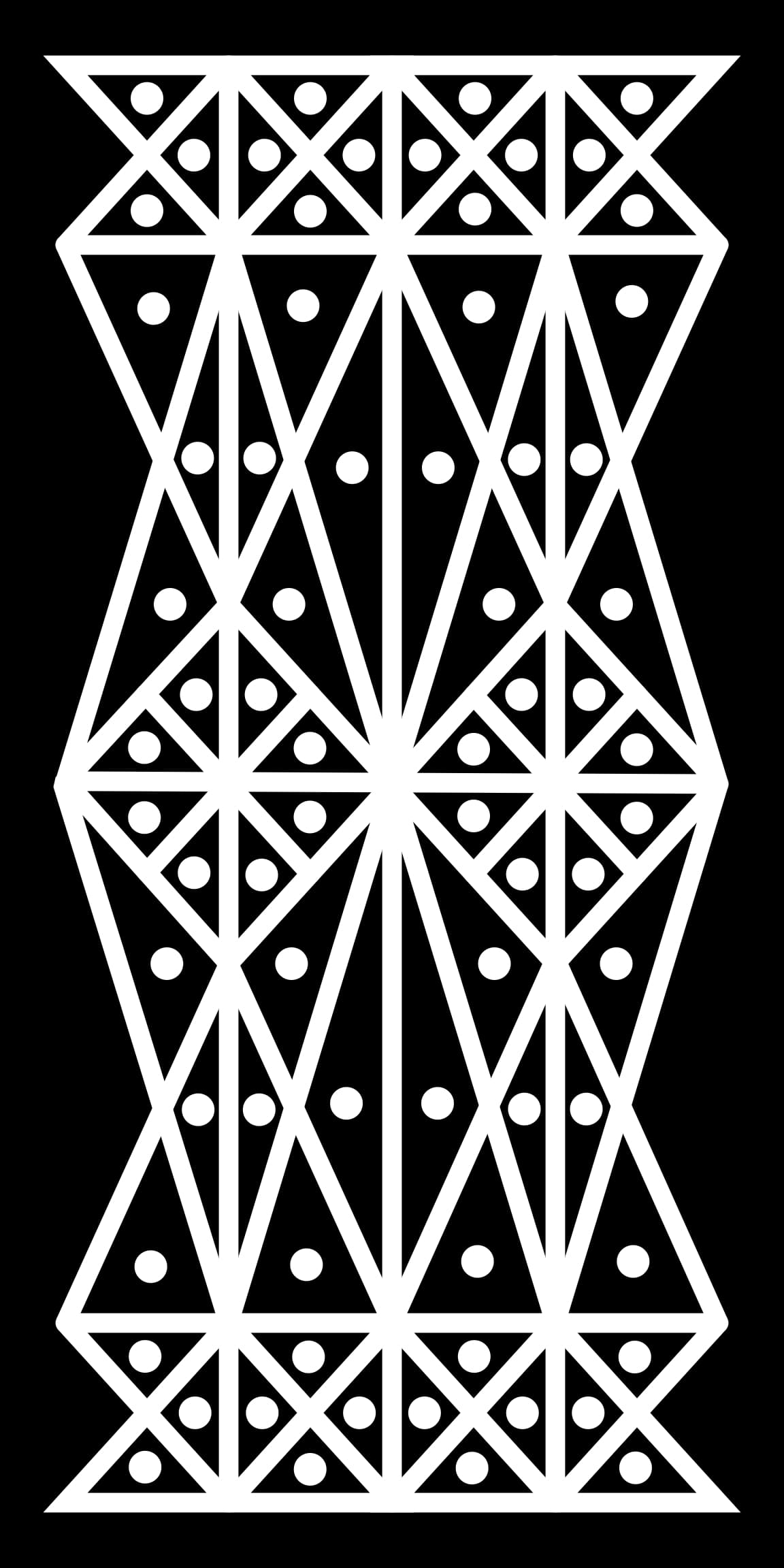
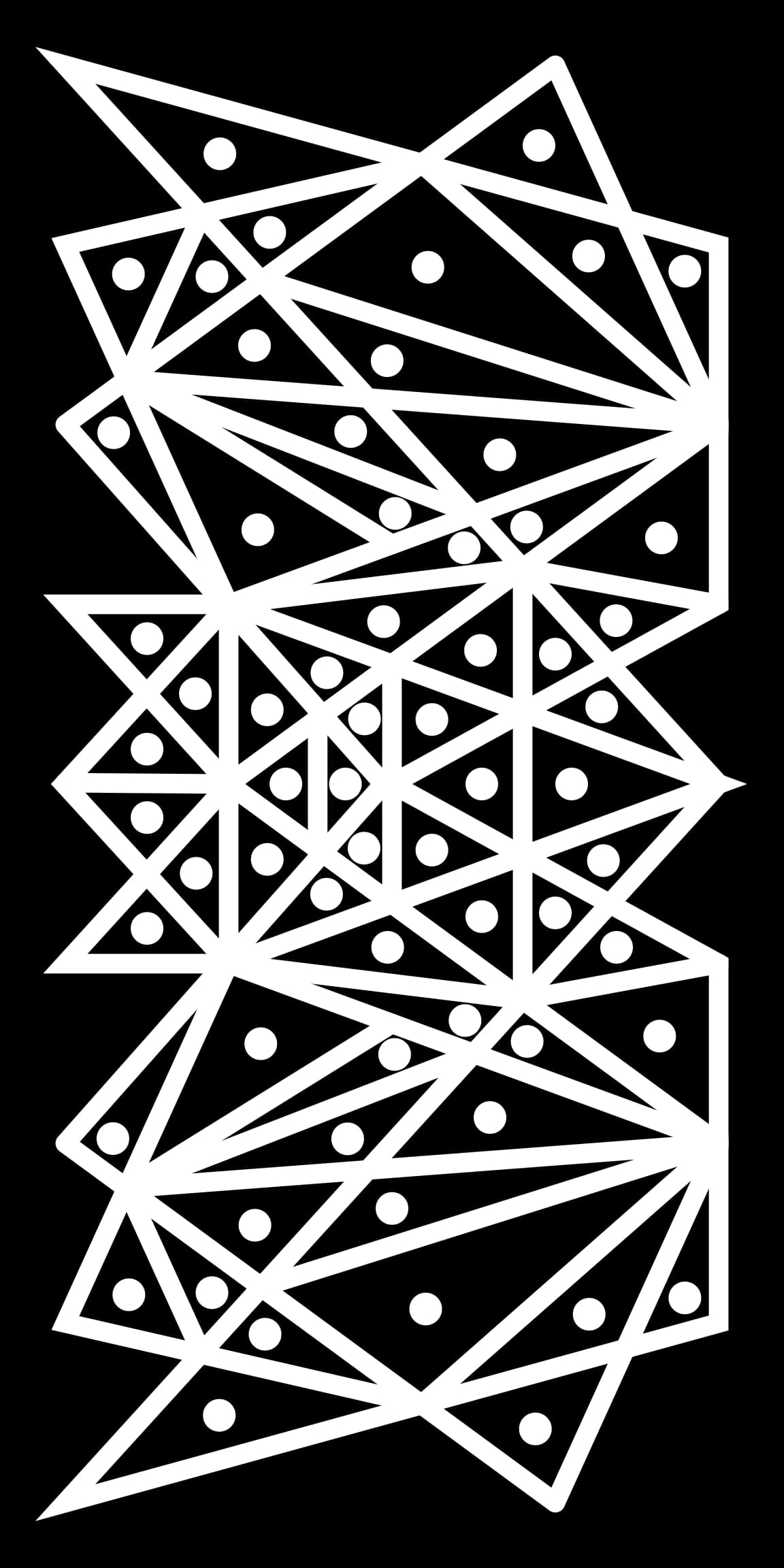
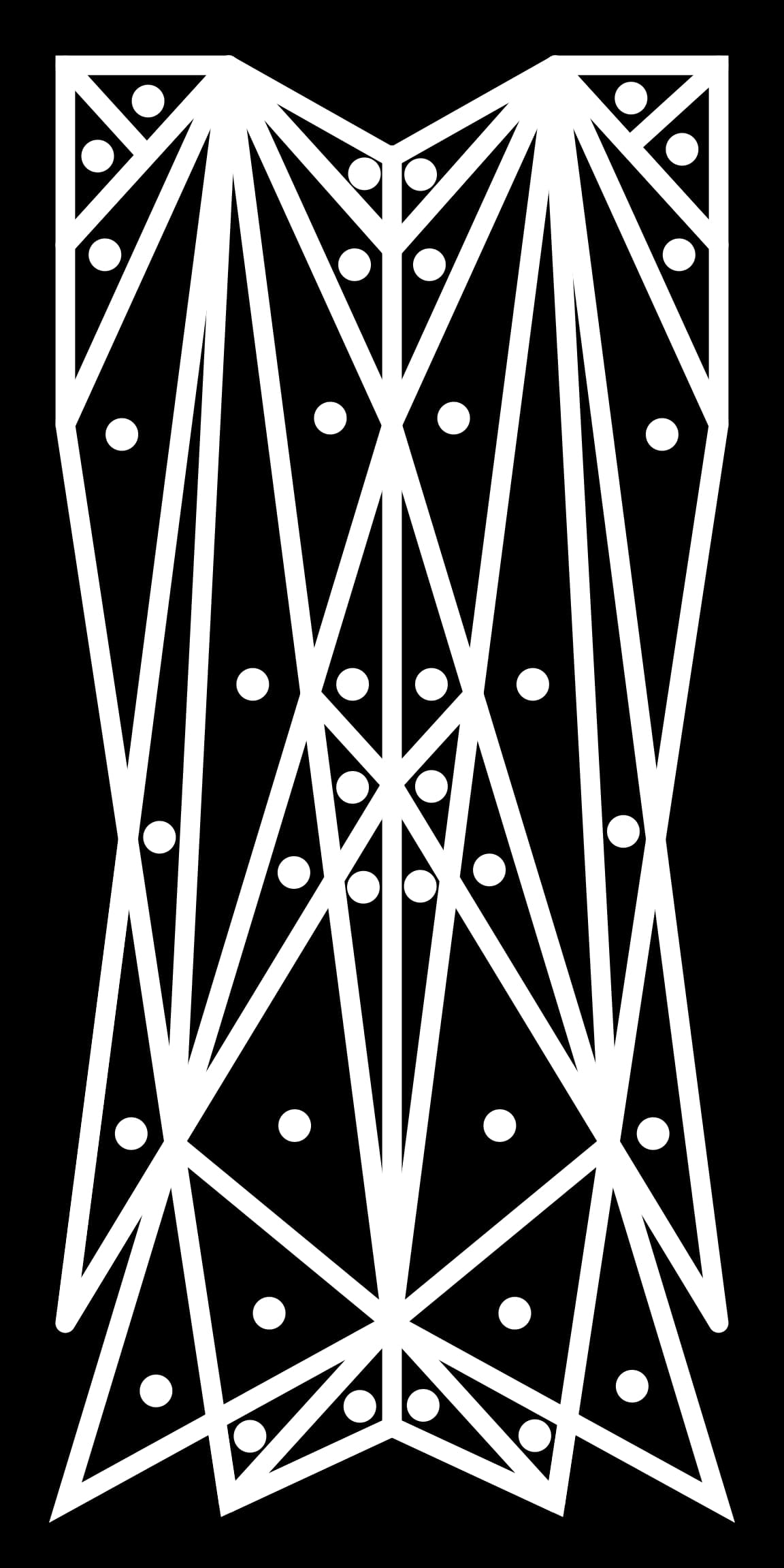
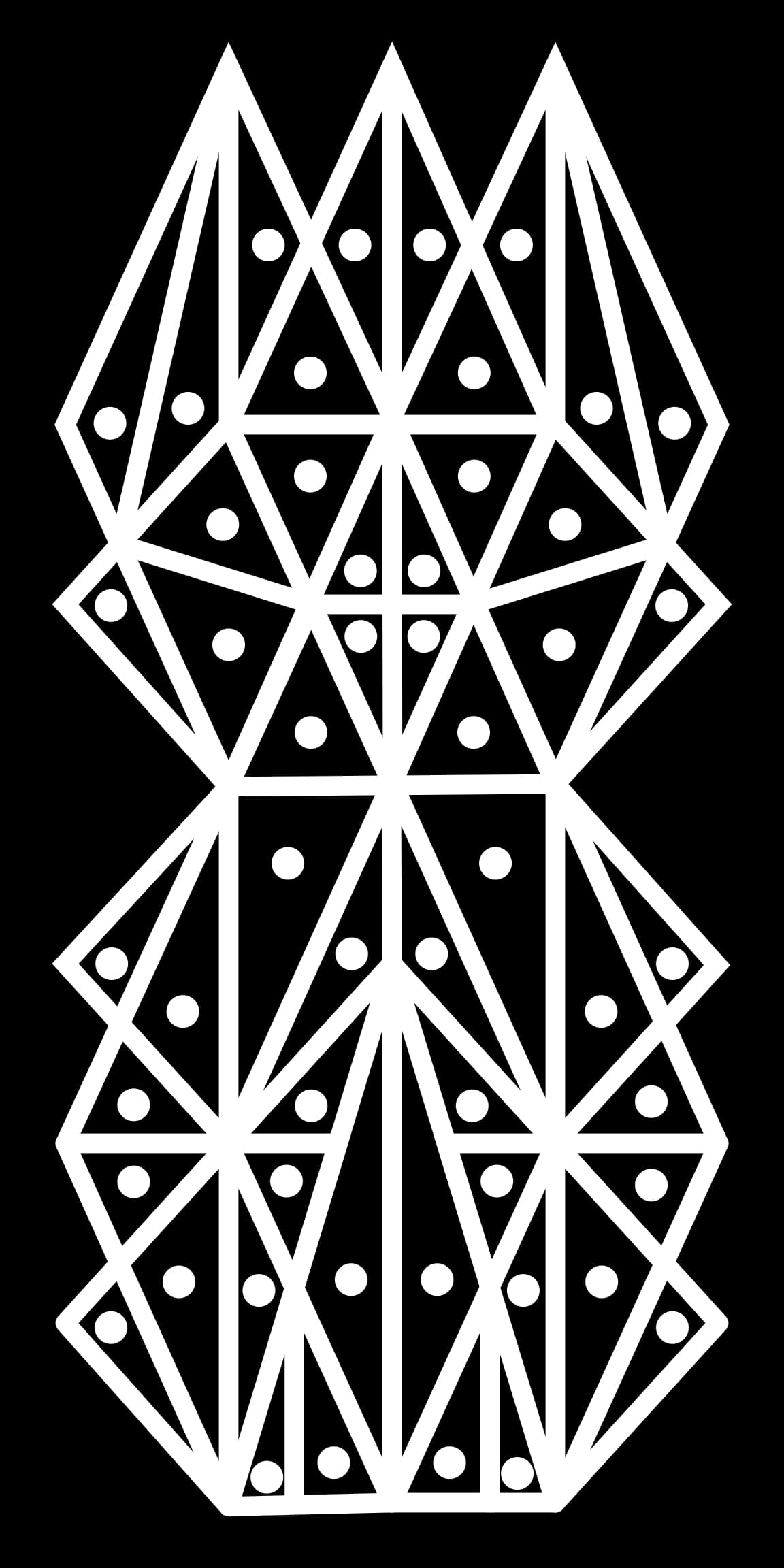
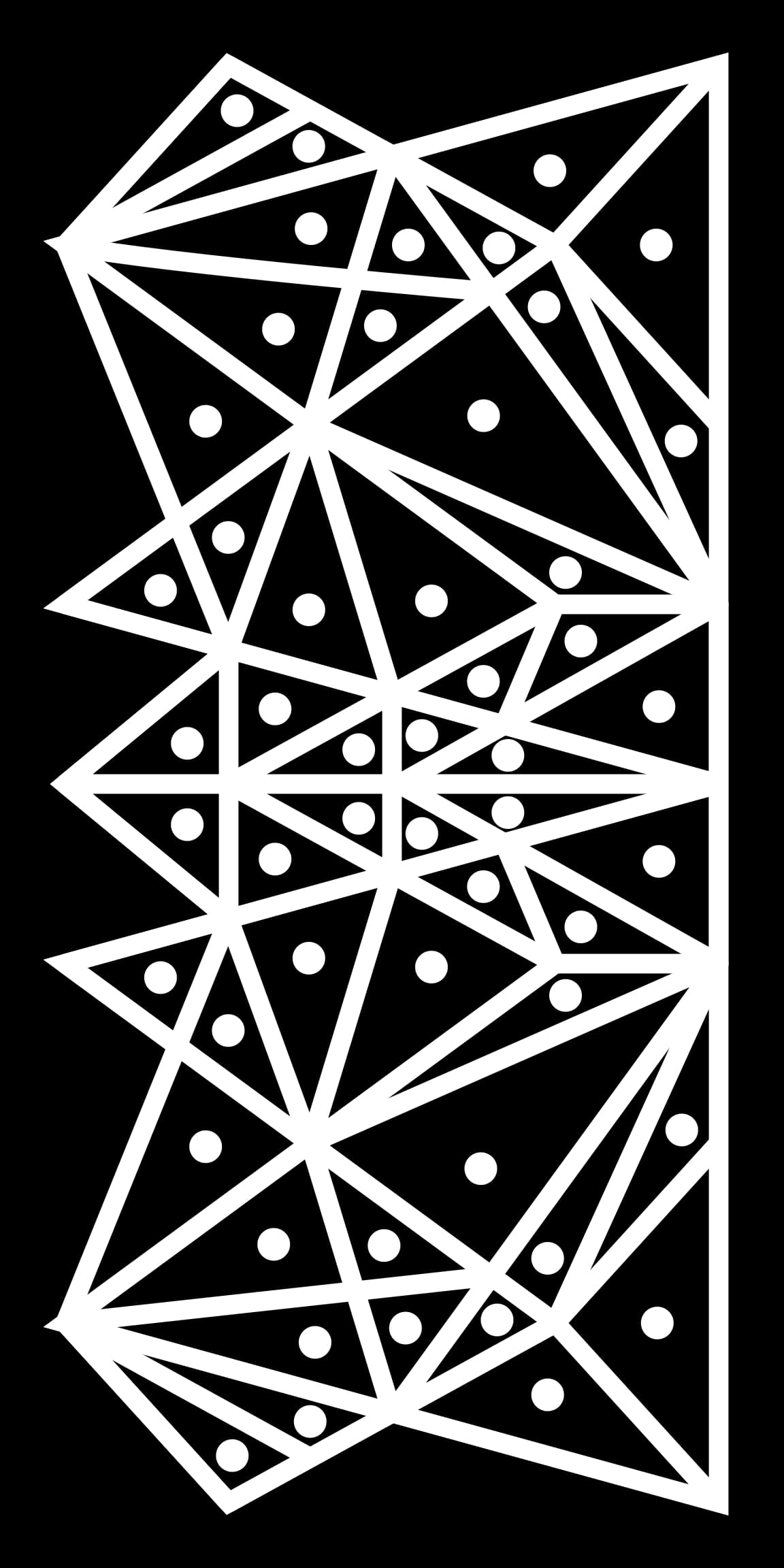
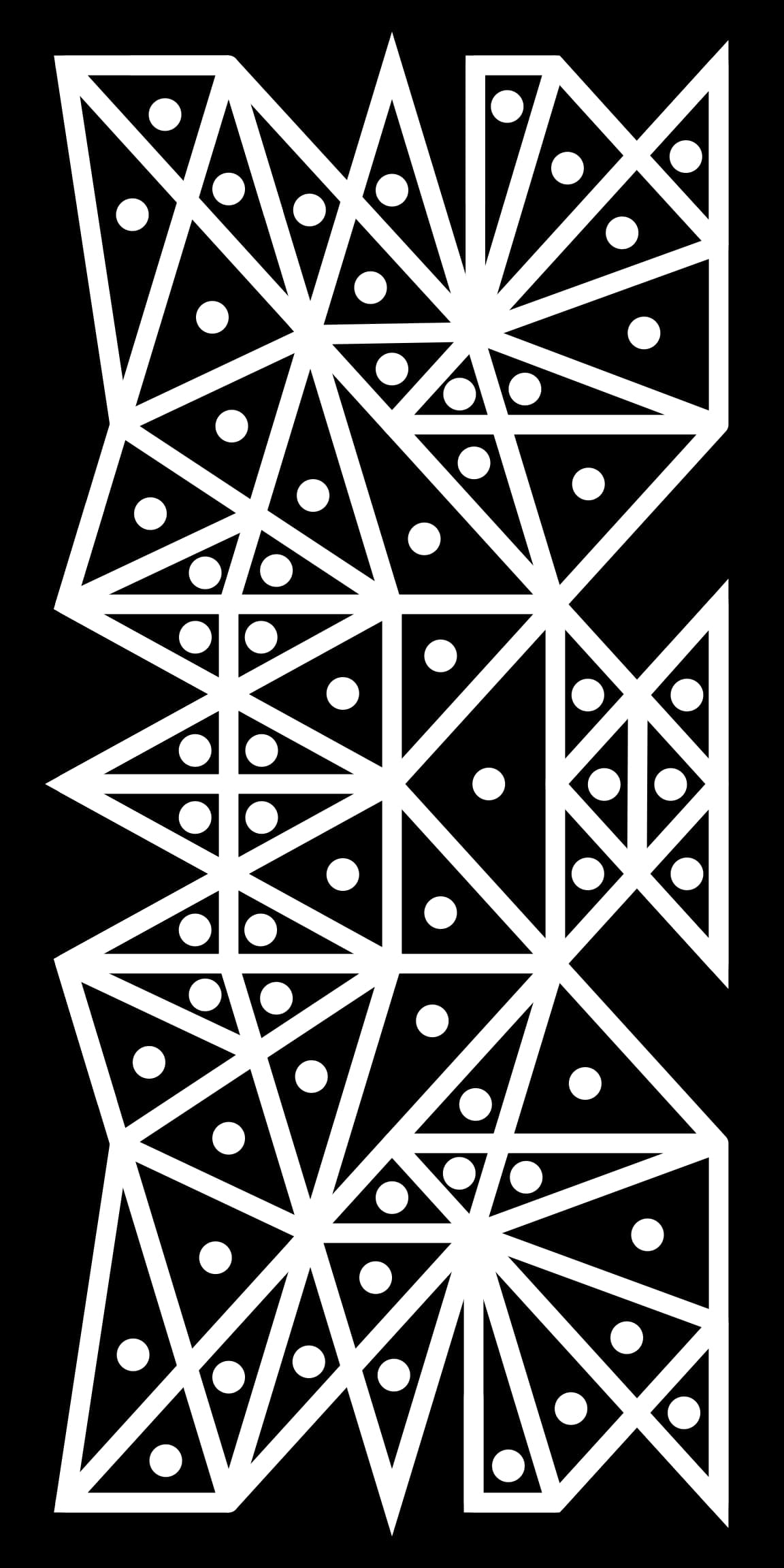
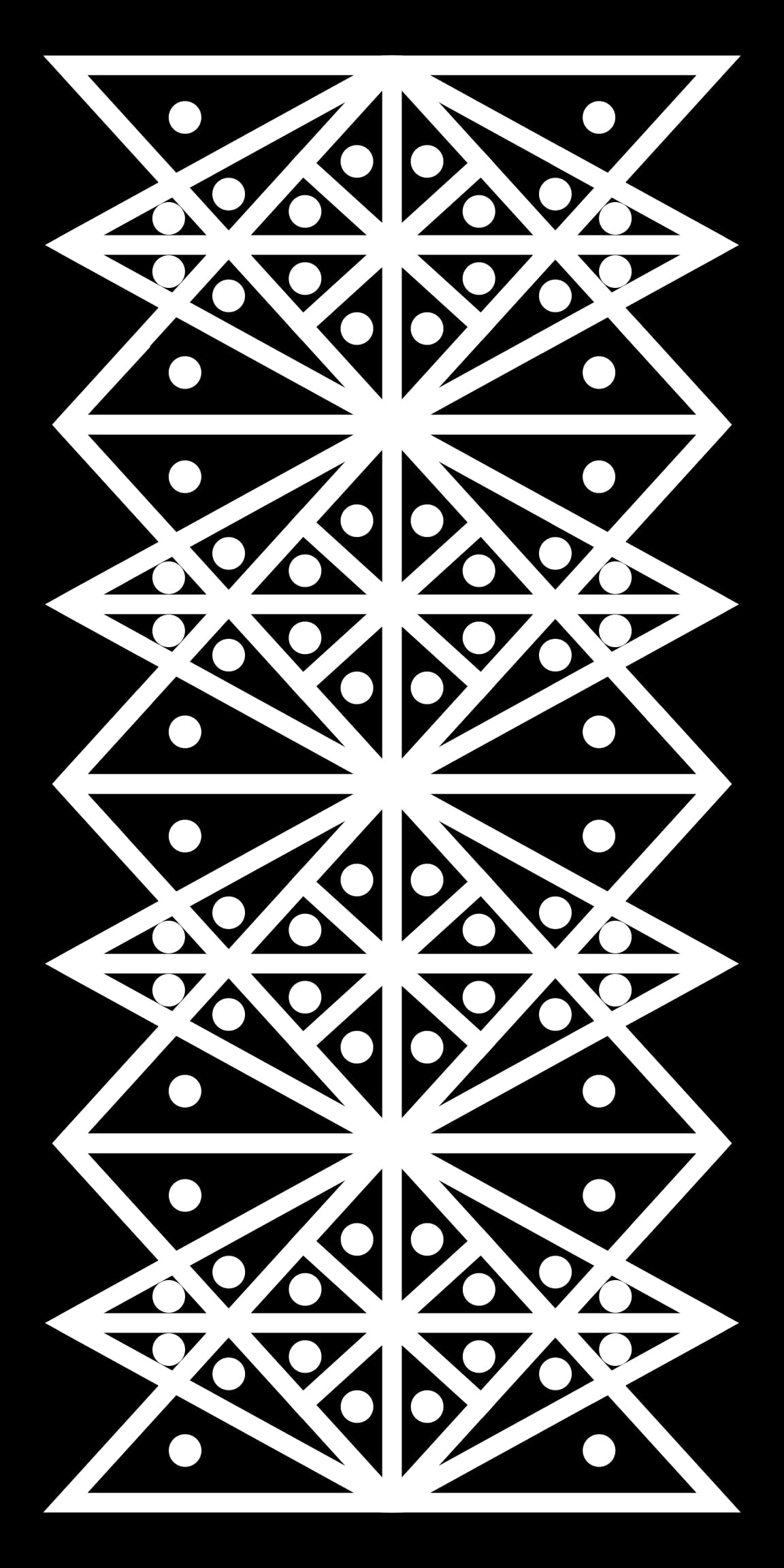
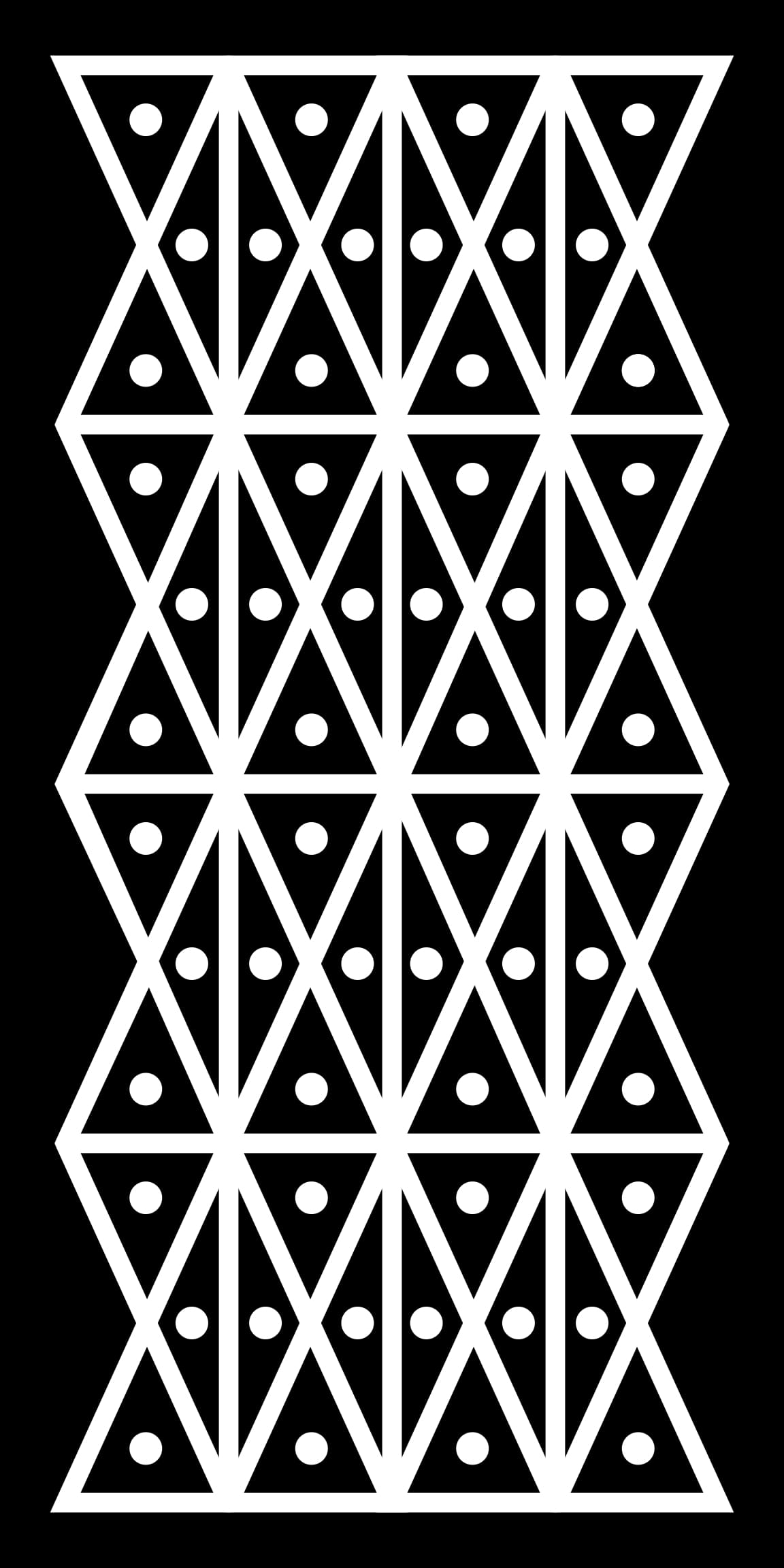
The second conceptual Kolam that I have developed is the Mukkona Kolam or Triangular Kolam. This is new type of Kolam is different from the original Sikku Kolam and also different from the Satura Kolam as in the Mukkona Kolam the only possible enclosed shape it can generate is a triangular shape. The triangular shapes each enclosed space creates varies in both shape and size. Unlike the Satura Kolam, here in the Mukkona Kolam symmetry can be found which is somewhat similar to the composition of the Sikku Kolam.
The method in which the Mukkona Kolam is made follows the principle that first space is created by the act of making triangles with a path and once triangular shapes are created each enclosed space is marked through the placement of a dot. Therefore this dot, as in each previous Kolam, signifies that the space in which the dot is placed is an enclosed space.
The method in which the Mukkona Kolam differs from both the Sikku Kolam and the Satura Kolam is that no grid is utilized in the creation of the Mukkona Kolam. In the Sikku Kolam a grid is used in order to place each dot where the placement of the dot is according to a grid and the path follows to enclose these spaces around the dot through a lattice-like movement of the path. In the Satura Kolam, it is inverse where the path of the line follows a grid in which enclosed spaces are created through the line which follows according to a grid and once these spaces are enclosed, a dot is placed in which to signify that a space is enclosed. However, in the Mukkona Kolam no such grid is utilized in the creation of the Kolam where the path follows no grid and the placement of the dot also does not follow a grid. In the Mukkona Kolam the path is placed first, however, the path does not follow a grid. Instead the path follows the creation of the space according to the objective of creating triangles. The logic behind the flow of the path in the Mukkona Kolam is only to create triangles of varying shapes and sizes. However, as mentioned before, the only similarity between the Mukkona Kolam and Kolams in general, such as the Sikku Kolam, is that both the Mukkona Kolam and the Sikku Kolam share a characteristic which is that both these types have symmetry or partial symmetry.
The Mukkona Kolam share another similarity with the Satura Kolam where the creation of space through the path of the line is mutual in both types of Kolams. In the Satura Kolam, the creation of space is through the rectangular movement of the line in which enclosed spaces are created while in the Mukkona Kolam the creation of space occurs through the movement of the path guided by the logic of creating spaces which are only triangular in shape. Therefore, in the Mukkona Kolam, the purpose of the flow of the path has the primary objective of creating space which is only triangular which results in the each enclosed space being triangular in shape. Therefore, in the Mukkona Kolam, all enclosed spaces are only triangular and enclosed spaces of other shapes such as rectangular enclosed spaces or enclosed spaces of other shapes do not exist.
In the Mukkona Kolam, once each enclosed triangular shapes are created through the flow of the path, each enclosed space is signified as an enclosed space by the placement of a dot. The placement of the dot to signify an enclosed space is a common characteristic between all types of Kolams from the Sikku Kolam to the Satura Kolam.
Symmetry is not mandatory for the creation of the Kolam as many traditional Sikku Kolams are created without symmetry and some Sikku Kolams are created with only partial symmetry. Symmetry is not mandatory in the creation of the Kolam and that is why the Satura Kolam does not have any symmetry at all. However, if a Kolam is symmetrical the Kolam itself becomes more visually appealing, therefore, in the creation of the Mukkona Kolam I have decided to keep the creation of triangular spaces to be partially symmetrical or completely symmetrical. Therefore, each Mukkona Kolam is either partially symmetrical or symmetrical in its entirety. Therefore, the concept of partial symmetry or complete symmetry is found to exist in both the traditional Sikku Kolam and the new Mukkona Kolam.
The creation of space as a result of the path of the line in the creation of the Kolam is a common element in all Kolams. However, the creation of the space in the traditional Sikku Kolam is determined by the grid where each space (enclosed space) is predetermined by the placement of dots according to a grid. Here, the creation of space is already determined before the flow of the line before each space surrounding the dot is enclosed by the lattice-like movement of the path. However, in the Satura Kolam the spaces are determined only after the flow of the line. Here the flow of the line occurs according to a grid unlike in the traditional Sikku Kolam where the flow of the line is not according to a grid as it flows around the dots (around dots placed according to a grid) in a lattice-like movement of the path. Therefore, the flow of the line and the creation of space (enclosed space) in the Satura Kolam is the inverse of the traditional Sikku Kolam as it is only the path which follows a grid instead of the dots being placed in a grid. However, in the Mukkona Kolam the flow of the line and creation of space does not follow any grid at all as the flow of the line and creation of space is done according to only the primary objective of creating triangular spaces where each enclosed space is created in the shape of a triangle. Here, as in the Satura Kolam, the placement of the dot happens only after the triangular shapes are created and enclosed by the flow of the path. The only characteristic found in the new Mukkona Kolam and traditional Kolams like the Sikku Kolam is that the Kolam itself is either partially symmetrical or symmetrical in its entirety. The primary objective in the creation of the Mukkona Kolam is to create enclosed spaces which are only triangular in shape and, as in all Kolams, the enclosed space is signified as a an enclosed space by the placement of a dot.
As in any Kolam, the primary objective of the Kolam is to function as a bringer of good luck to a space or any community and most importantly it is an invitation to the Goddess Lakshmi to a space in the hopes that she will bring good luck and good fortune and essentially bless the space, household and community. The first series of Mukkona Kolams are presented as follows: